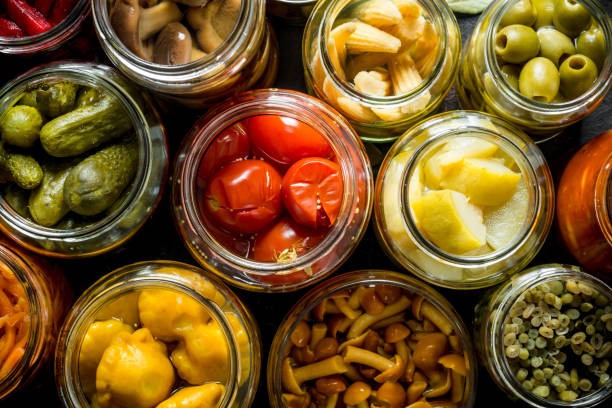
For individuals with diabetes, finding ways to enjoy sweet treats without the added sugar can be a challenge. Canning your own fruits and vegetables is a great way to enjoy the natural sweetness of produce without compromising your health. By following these simple canning basics, you can create delicious and diabetic-friendly preserves that will satisfy your sweet tooth.
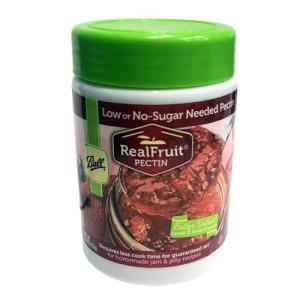
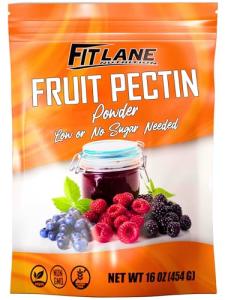
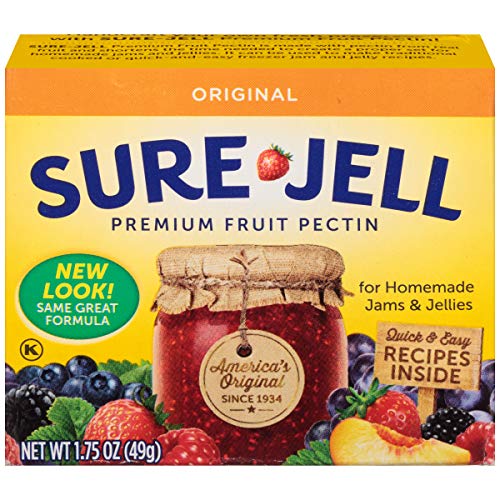
When canning for diabetics, it's important to focus on using fresh, ripe fruits and vegetables that are naturally sweet. Avoid adding sugar or sweeteners to your recipes, and opt for low-sugar or no-sugar pectin instead. This will help ensure that your preserves are diabetic-friendly without sacrificing taste or texture.
Before canning your fruits and vegetables, make sure to properly wash and prepare them. Remove any bruised or damaged areas, and cut them into uniform pieces for even cooking. For best results, follow a tested canning recipe and processing method to ensure that your preserves are safe to eat and will last for an extended period of time.
Low-Sugar Recipes for Healthy Preserves
For those looking to enjoy the sweetness of fruit preserves without all the added sugar, these low-sugar recipes are the perfect solution. Canning your own jams and jellies allows you to control the amount of sugar that goes into each batch, making it easier to manage your blood sugar levels while still enjoying delicious treats.
One popular low-sugar recipe is a simple strawberry chia seed jam. This recipe uses fresh strawberries, chia seeds, and a small amount of honey for sweetness. Chia seeds help thicken the jam without the need for pectin, making it a healthier alternative to traditional jams. Spread this jam on toast or mix it into yogurt for a tasty and nutritious treat.
Another great option is a peach and ginger jam. This recipe combines ripe peaches with fresh ginger and a touch of agave nectar for a spicy and sweet flavor profile. The ginger adds a subtle kick to the jam, while the agave nectar provides just enough sweetness to satisfy your cravings. Enjoy this jam on crackers or as a glaze for grilled chicken or pork.
Sweet Alternatives for Sugar-Free Jams
If you're looking for a way to enjoy the sweetness of jams without the added sugar, there are plenty of delicious alternatives to choose from. Sugar-free jams are perfect for diabetics or anyone looking to cut back on their sugar intake while still satisfying their sweet tooth. Here are some sweet alternatives to consider when making your own sugar-free jams.
One popular alternative to sugar in jams is using honey as a sweetener. Honey adds a natural sweetness to the jam while also providing some health benefits. Honey is a better option for diabetics compared to sugar, as it has a lower glycemic index and may have less of an impact on blood sugar levels. Plus, honey adds a rich flavor to the jam that is sure to please your taste buds.
Another great alternative to sugar in jams is using fruit juice as a sweetener. Simply substitute fruit juice for sugar in your favorite jam recipe to create a naturally sweet and flavorful spread. Fruit juice adds a burst of fruity goodness to the jam without the need for added sugar. Try using apple juice, orange juice, or even pineapple juice for a unique twist on traditional jam flavors.
For those looking for a low-carb option, consider using a sugar substitute like Stevia or erythritol in your sugar-free jams. These artificial sweeteners provide sweetness without the added calories and carbs of sugar. They can be used in place of sugar in most jam recipes and are a great option for diabetics or anyone following a low-carb diet. Experiment with different sugar substitutes to find the one that works best for your taste preferences.
Preserving Fruits and Vegetables Without Added Sugar
One of the biggest challenges for diabetics can be finding ways to enjoy sweet treats without consuming high amounts of sugar. One solution to this dilemma is to preserve fruits and vegetables without adding sugar. By canning fruits and vegetables in their natural juices, diabetics can still enjoy the sweetness of these foods without the negative impact of added sugar on their blood sugar levels.
One way to preserve fruits without added sugar is to can them in water or juice instead of syrup. This method allows the natural sweetness of the fruit to shine through without the need for additional sugar. For example, peaches can be canned in water or apple juice to preserve their flavor without the added sugar found in traditional canned peaches. Similarly, apples can be canned in their own juice to create a delicious snack or topping for yogurt or oatmeal.
Vegetables can also be preserved without added sugar by canning them in water or broth. This method allows the vegetables to retain their natural flavor and nutrients without the need for added sugar. For example, green beans can be canned in water with a little salt for seasoning, while tomatoes can be canned in their own juices to create a flavorful base for soups and sauces.
Overall, by preserving fruits and vegetables without added sugar, diabetics can still enjoy the sweetness of these foods while maintaining control over their blood sugar levels. This method of canning provides a healthy and delicious alternative to traditional canned fruits and vegetables with added sugar, making it easier for diabetics to indulge in sweet treats without the guilt.