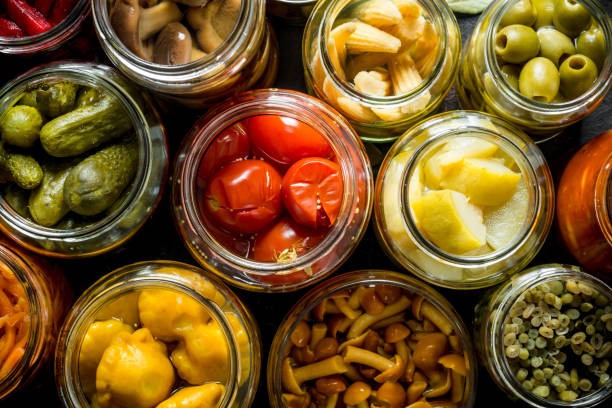
Properly sterilizing your canning jars is an essential step to ensuring the safety and longevity of your canned goods. By following these simple steps, you can avoid potential foodborne illnesses and preserve the quality of your canned produce.
Start by washing your jars, lids, and bands in hot, soapy water. Rinse them thoroughly to remove any soap residue. Then, place the jars in a large pot and fill it with water, making sure the water covers the jars by at least one inch. Bring the water to a boil and let the jars simmer for 10 minutes to kill any bacteria or microorganisms.
After boiling, carefully remove the jars from the water and let them air dry on a clean towel. While the jars are cooling, bring a separate pot of water to a simmer and place the lids and bands in the water for 5 minutes. Once the jars are dry, fill them with your desired produce and seal them with the hot, sterilized lids and bands. Your canned goods are now ready for storage!
Safe Food Handling Techniques for Home Canning
Home canning is a great way to preserve the summer harvest and enjoy delicious fruits and vegetables all year round. However, there are important safety considerations to keep in mind when canning at home. By following these safe food handling techniques, you can avoid common canning safety mistakes and ensure that your canned goods are safe to eat.
First and foremost, always start with clean hands, equipment, and workspace when canning at home. Wash your hands thoroughly with soap and water before handling any food, and make sure all jars, lids, and utensils are clean and sanitized. A clean workspace will help prevent cross-contamination and ensure that harmful bacteria are not introduced to your canned goods.
When filling jars with food for canning, be sure to leave the recommended amount of headspace as specified in the recipe. This headspace is necessary to allow for proper air circulation during processing and to prevent the contents of the jar from boiling over. Additionally, be sure to properly adjust the lids on your jars before processing to ensure a tight seal.
Lastly, always follow safe canning practices when processing your jars. This includes processing jars in a boiling water bath or pressure canner for the recommended amount of time, as specified in the recipe. It is also important to check your canned goods for signs of spoilage before consuming them, such as leaking jars, bulging lids, or off-putting odors. By following these safe food handling techniques, you can enjoy delicious home-canned goods with peace of mind.
Essential Principles for Canning Equipment Maintenance
Proper maintenance of your canning equipment is crucial to ensure the safety and quality of your canned goods. Here are some essential principles you should keep in mind:
First and foremost, always make sure to clean your canning equipment thoroughly before and after each use. Residual food particles can harbor bacteria and compromise the safety of your canned goods. Use hot, soapy water to clean all parts of your canner, jars, and utensils, and rinse them well before storing.
Another important principle is to regularly inspect your canning equipment for signs of wear and tear. Check for cracks, chips, or other damage that may affect the integrity of your canner or jars. Replace any damaged parts immediately to prevent accidents or contamination of your canned goods.
Lastly, store your canning equipment properly in a clean, dry place away from any potential contaminants. Keep your equipment organized and easily accessible so that you can quickly and efficiently start the canning process when needed. By following these essential principles for canning equipment maintenance, you can ensure the safety and success of your home canning projects.
Storage Guidelines to Prevent Canning Contamination
Proper storage is essential to prevent contamination when canning foods at home. By following these guidelines, you can ensure that your canned goods will be safe to eat and free from harmful bacteria.
First, make sure to store your canned goods in a cool, dry, and dark place. Avoid storing them in direct sunlight or near sources of heat, as this can cause the food to spoil more quickly. A pantry or cellar is ideal for storing canned goods, as long as the temperature remains consistent.
It's also important to check the seals on your canned goods regularly. If you notice any bulging lids, leaks, or foul odors coming from the cans, do not consume the food inside. These are signs of contamination and the food should be discarded immediately.
Lastly, label your canned goods with the date they were canned and the type of food inside. This will help you keep track of how long the food has been stored and ensure that you use it before it spoils. By following these storage guidelines, you can enjoy your home-canned goods safely and with peace of mind.