If you're a fan of Korean cuisine, you've probably heard of kimchi. This fermented dish is a staple in Korean meals, loved for its tangy and spicy flavor. Making your own kimchi at home is easier than you might think, and the results are well worth the effort.
To start, you'll need napa cabbage, radishes, carrots, green onions, garlic, ginger, and Korean red pepper flakes. The key to a good kimchi is getting the right balance of flavors, so feel free to adjust the amount of red pepper flakes to suit your taste preferences.
Once you've chopped and prepared all your veggies, it's time to mix everything together with a paste made from garlic, ginger, salt, and sugar. Pack the mixture tightly into a clean jar and let it ferment at room temperature for a few days. The longer you let it ferment, the tangier and spicier your kimchi will become.
When your kimchi is ready, you can enjoy it as a side dish, add it to stir-fries, or use it to spice up sandwiches and tacos. The possibilities are endless, so don't be afraid to get creative with how you use this delicious and versatile condiment.
Quick and Easy Pickled Vegetables
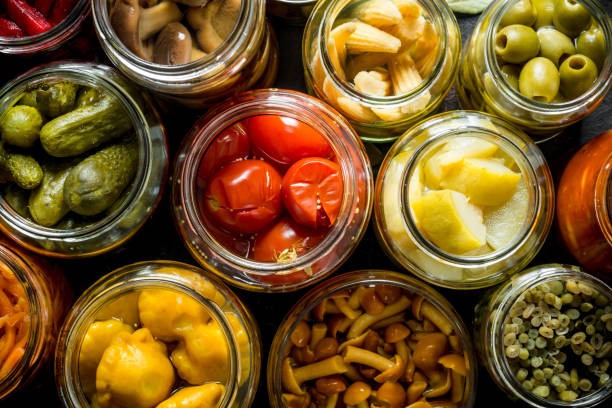
Looking for a quick and easy way to incorporate more flavor into your meals? Try pickling your favorite vegetables! Pickled vegetables not only add a delicious tangy kick to your dishes, but they also provide a boost of gut-friendly probiotics. Here's a simple recipe for making your own pickled vegetables at home.
Ingredients:
Instructions:
These pickled vegetables make a tasty addition to salads, sandwiches, and rice bowls. Get creative with your choices of vegetables and experiment with different flavor combinations by adding spices like garlic, ginger, or chili flakes. Enjoy the tangy goodness of homemade pickled vegetables in your Asian-inspired dishes!
Homemade Soy Sauce in 3 Steps
Are you a fan of Asian cuisine and looking to add an extra level of flavor to your dishes? Making your own soy sauce at home is easier than you might think! With just a few simple ingredients and a little bit of patience, you can create a delicious and savory soy sauce that will take your dishes to the next level.
Step 1: Gather Your Ingredients
The first step in making your own soy sauce is gathering the necessary ingredients. You will need soybeans, wheat berries, salt, and water. You can find soybeans and wheat berries at most health food stores or online. Make sure to use high-quality ingredients for the best results.
Step 2: Fermentation Process
Once you have all of your ingredients, the next step is to start the fermentation process. Combine the soybeans, wheat berries, salt, and water in a large container and allow the mixture to ferment for several months. During this time, the flavors will develop and intensify, creating the rich and complex flavor profile that soy sauce is known for.
Step 3: Strain and Bottle
After several months of fermentation, it's time to strain the soy sauce and bottle it up for future use. Use a fine mesh strainer to separate the liquid from the solids, then transfer the soy sauce to a clean glass bottle or jar. Store your homemade soy sauce in a cool, dark place and use it in all of your favorite Asian dishes for a burst of umami flavor.
Asian-Inspired Canning Tips and Tricks
When it comes to canning Asian-inspired dishes like kimchi, pickles, and soy sauce, there are a few important tips and tricks to keep in mind to ensure that your creations turn out delicious and well-preserved. Here are some helpful guidelines to follow:
1. Use high-quality ingredients: To achieve the best flavor and texture in your canned Asian dishes, it's essential to start with fresh, high-quality ingredients. Whether you're making kimchi with crisp Napa cabbage, pickles with crunchy cucumbers, or soy sauce with premium soybeans, using the best ingredients will make all the difference in the final product.
2. Sterilize your canning equipment: Before you start the canning process, be sure to thoroughly clean and sterilize all of your canning equipment, including jars, lids, and utensils. This will help prevent the growth of harmful bacteria and ensure that your canned goods stay safe to eat for an extended period of time.
3. Follow proper canning techniques: Different types of Asian-inspired canned dishes require different canning techniques. For example, kimchi and pickles are often fermented before being canned, while soy sauce may require a different method of preservation. Be sure to follow a trusted recipe and canning instructions to ensure that your canned creations turn out perfectly every time.