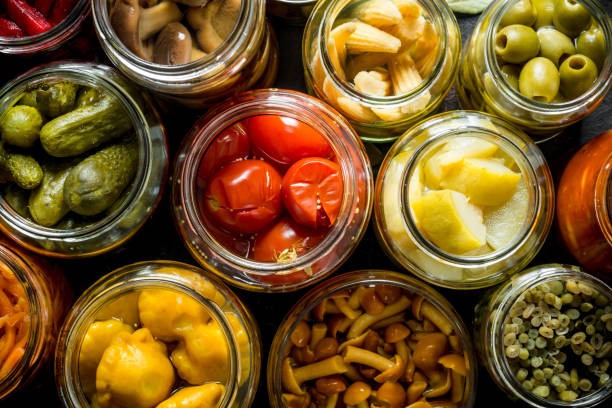
Before you start canning your favorite fruits and vegetables, make sure you have all the necessary supplies on hand. Here's a list of budget-friendly items you'll need to get started:
Additionally, you may want to invest in a few optional items to make your canning experience even easier:
Step-by-Step Instructions
<p>Canning is a great way to preserve delicious fruits and vegetables while saving money. Follow these simple steps to start your budget-friendly canning journey today.</p>
<ol>
<li>Choose your produce: Pick fresh fruits and vegetables that are in season and at their peak ripeness. This will ensure the best flavor and quality for your canned goods.</li>
<li>Prepare your jars: Wash your canning jars and lids with warm, soapy water. Rinse thoroughly and inspect for any cracks or chips. Sterilize your jars by boiling them in a large pot of water for 10 minutes.</li>
<li>Prepare your produce: Wash and chop your fruits and vegetables as needed. Remove any pits, seeds, or cores. Depending on the recipe, you may need to blanch your produce before canning.</li>
<li>Fill your jars: Pack your prepared produce into the sterilized jars, leaving the appropriate headspace as indicated in your canning recipe. Wipe the rims of the jars with a clean, damp cloth to ensure a proper seal.</li>
<li>Process your jars: Place the filled jars into a boiling water bath canner or pressure canner, following the guidelines for processing times and pressures based on your altitude and the type of produce being canned. Once processed, carefully remove the jars and let them cool before storing in a cool, dark place.</li>
</ol>
Best Fruits and Vegetables to Can
Tomatoes are a versatile fruit that can be canned in a variety of ways, from whole tomatoes to homemade pasta sauce. They're packed with vitamins and minerals, making them a nutritious addition to your pantry. Plus, canned tomatoes can be used in countless recipes, making them a staple in many kitchens.
Berries, such as strawberries, blueberries, and raspberries, are perfect for canning into jams and preserves. Not only are these fruits delicious on toast or mixed into yogurt, but they're also a great way to satisfy your sweet tooth without breaking the bank. Berries are often on sale during the summer months, making them an affordable option for canning.
Green beans, corn, and peas are all excellent options for canning vegetables. These veggies can be canned on their own or turned into delicious soups and stews for a quick and easy meal option. Canning vegetables is a great way to ensure you always have nutritious options on hand, even when fresh produce is out of season.
In addition to these fruits and vegetables, consider canning apples, peaches, and pears for delicious pie fillings and fruit sauces. These can be used in desserts or as toppings for pancakes and waffles. Canning your own fruits and vegetables is a cost-effective way to enjoy fresh, delicious produce all year round.
Benefits of Canning at Home
There are numerous benefits to canning at home, not the least of which is saving money. When you can your own fruits and vegetables, you can take advantage of seasonal produce when it's at its cheapest. This can help you cut down on your grocery bill and make use of any extra fruits or veggies you may have on hand.
Another benefit of canning at home is the control you have over the ingredients. You can choose to use organic produce, reduce the amount of sugar or salt in your recipes, or even experiment with different flavor combinations. This allows you to tailor your canned goods to your own preferences, dietary restrictions, and health goals.
Additionally, canning at home can help reduce food waste. By preserving produce when it's at its peak freshness, you can extend its shelf life and enjoy it throughout the year. This can be especially helpful for items that tend to spoil quickly, such as berries or leafy greens.