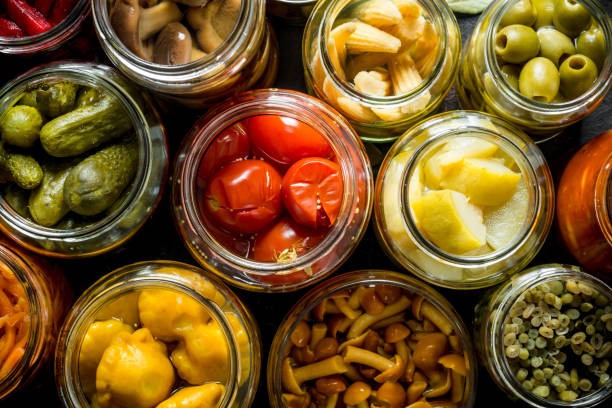
Are you looking to preserve your favorite gluten-free foods through canning? Before you get started, it’s important to understand the basics of gluten-free canning to ensure your canned goods are safe to eat.
One of the most important things to remember when canning gluten-free foods is to always use fresh, high-quality ingredients. Check all labels to make sure there are no hidden sources of gluten in your produce, spices, or other canning ingredients.
When canning gluten-free foods, it’s also crucial to thoroughly clean and sanitize your equipment to prevent any cross-contamination. Be sure to wash your jars, lids, and canning tools in hot, soapy water before using them, and sterilize them if necessary.
Lastly, always follow tested, reputable canning recipes and guidelines to ensure your canned goods are safe to eat. Do not alter ingredients or cooking times in canning recipes, as this can affect the safety and quality of your preserved foods. By following these simple gluten-free canning basics, you can enjoy delicious and safe canned goods all year round.
Essential Tools for Gluten-Free Canning
When embarking on your gluten-free canning journey, having the right tools can make all the difference in ensuring that your canned goods turn out perfectly safe and delicious. Here are some essential tools that every gluten-free canner should have in their kitchen:
Canning Jars: The cornerstone of any canning project, having a supply of sturdy, leak-proof canning jars is essential. Make sure to choose jars that are specifically designed for canning to ensure that they can withstand the high temperatures and pressure involved in the canning process.
Canning Funnel: A canning funnel is a small, funnel-shaped tool that allows you to easily and cleanly transfer hot foods into your canning jars without making a mess. This tool is especially useful when working with thick sauces or chunky jams.
Canning Rack: A canning rack is a wire rack that sits at the bottom of your canning pot and prevents your jars from coming into direct contact with the heat source. This helps to promote even heat distribution and prevents jars from cracking during the canning process.
Best Ingredients for Safe Canning
When it comes to safe canning, choosing the right ingredients is key. As a gluten-free canner, it's important to be mindful of potential sources of gluten in your recipes. Here are some of the best ingredients to use for safe and worry-free canning:
1. Fresh Fruits and Vegetables: Opt for fresh, locally sourced fruits and vegetables to ensure that they are gluten-free. Avoid pre-packaged or processed produce, as these can sometimes contain hidden sources of gluten.
2. Vinegar: Vinegar is a staple ingredient in many canning recipes, as it helps to preserve the food and adds a tangy flavor. Be sure to choose a vinegar that is labeled gluten-free to avoid any potential cross-contamination.
3. Spices and Herbs: Spices and herbs are a great way to add flavor to your canned goods. However, it's important to check the labels to ensure that they are gluten-free. Opt for whole, unground spices to reduce the risk of cross-contamination.
Quick Tips for Gluten-Free Canning Success
When it comes to gluten-free canning, there are a few key tips to keep in mind to ensure success and safety. By following these simple guidelines, you can enjoy all the benefits of canning while keeping your gluten-free diet in check.
First and foremost, always make sure to use gluten-free ingredients in your canning recipes. This may seem like a no-brainer, but many canned goods contain hidden sources of gluten, such as wheat-based thickeners or flavorings. Be sure to read labels carefully and choose products that are certified gluten-free to avoid any cross-contamination.
Another important tip is to thoroughly clean and sanitize your canning equipment before each use. Gluten can easily hide in tiny crevices and cracks, so it's crucial to make sure your jars, lids, and other tools are completely free of any gluten residues. A simple mixture of hot water and vinegar can help to disinfect your equipment and prevent any gluten from sneaking into your canned goods.
Lastly, always follow safe canning practices to prevent spoilage and contamination. This includes using proper canning techniques, processing times, and storage methods. By taking the time to follow these guidelines, you can enjoy delicious and safe gluten-free canned goods for months to come.