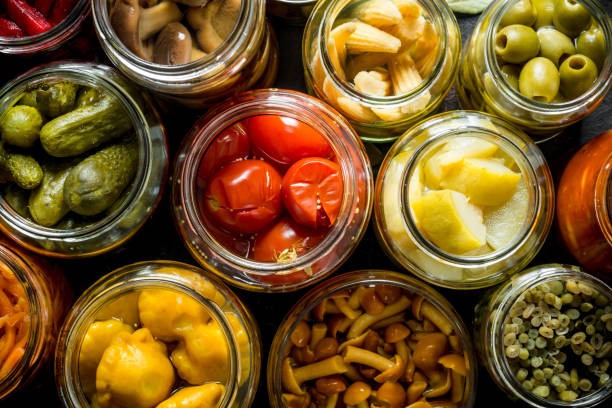
When it comes to canning, selecting the right fruits and vegetables is key to ensuring a successful end result. Opt for produce that is ripe but not overly ripe, as this will help maintain the texture and flavor of the final product. Additionally, choose fruits and vegetables that are free from blemishes or bruises, as these imperfections can impact the quality of your canned goods.
When selecting fruits and vegetables for canning, it's important to consider the acidity of the produce. High-acid fruits like berries, citrus fruits, and apples are ideal for water bath canning, while low-acid vegetables such as green beans, carrots, and beets require pressure canning to ensure safe preservation. Be sure to follow canning recipes that specify the appropriate canning method for the produce you are using.
Freshness plays a crucial role in the success of your canned goods, so aim to use the freshest fruits and vegetables available. If you have access to a local farmers' market or garden, consider sourcing your produce from these sources for optimal freshness. Remember, the quality of your ingredients will directly impact the quality of your canned goods, so choose wisely.
Prepare Your Ingredients Carefully
Before you begin canning, be sure to wash all fruits and vegetables thoroughly. Use a vegetable brush to scrub produce with tougher skins, like cucumbers or potatoes. Peeling and removing seeds or pits from certain fruits may be necessary, so be sure to follow the recipe instructions carefully to ensure the best results.
Additionally, make sure you have all the necessary equipment on hand before you start canning. This includes jars, lids, bands, a canner, and any other tools or utensils required for the specific recipe you are using. Properly sterilizing your equipment is crucial to prevent contamination and ensure a safe end product.
Follow Safe Canning Techniques
When it comes to canning, safety should always be your number one priority. Using improper techniques can lead to spoiled food or, even worse, food poisoning. Make sure to always follow tested and approved canning recipes to ensure your canned goods are safe to eat.
One important safety tip is to always use the appropriate equipment for canning. This includes a large pot for boiling water bath canning or a pressure canner for low-acid foods. Using the right equipment will help you achieve the correct temperature and pressure needed to kill any harmful bacteria.
Another essential safe canning technique is to properly sterilize your jars and lids before filling them with food. This can be done by either boiling the jars and lids in water or running them through a dishwasher cycle. Ensuring your jars are clean will help prevent contamination of your canned goods.
Store Your Home-Canned Goods Properly
Once you've successfully canned your fruits, vegetables, and jams, it's important to store them properly in order to maintain their freshness and flavor. Follow these simple tips to ensure your home-canned goods stay delicious for months to come.
First and foremost, store your home-canned goods in a cool, dark place away from direct sunlight. Sunlight can cause the food to spoil more quickly and lose its nutritional value. A pantry or cupboard is an ideal location for storing your canned goods.
Make sure to label each jar with the date it was canned and the contents inside. This will help you keep track of when each item was canned and ensure you use them in a timely manner. It's also a good idea to rotate your stock so that older items are used first.
If you notice any signs of spoilage such as bulging lids, strange odors, or mold growth, discard the contents immediately. It's better to be safe than sorry when it comes to home-canned goods. By following these tips, you can enjoy delicious and nutritious canned foods all year round.
Whatever canning products you chose to buy, please remember to be safe at all times. Our Canning Safety Guide article has some good hints and tips to keep you safe.