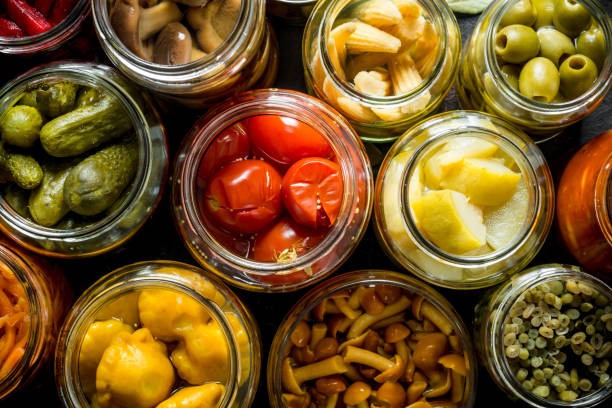
Before you start canning, make sure you have all the necessary equipment on hand. Here are a few essentials to get you started:
Canning Jars: You will need glass canning jars with lids and bands. Mason jars are a popular choice and are readily available at most supermarkets.
Canner: A canner is a large pot with a lid and a rack to hold the jars. You can use a water bath canner for high-acid foods like fruits and pickles, and a pressure canner for low-acid foods like meats and vegetables.
Canning Funnel: A canning funnel is a handy tool that helps you fill the jars without making a mess. It has a wide mouth that fits over the jars and prevents spills.
Jar Lifter: A jar lifter is used to safely lift hot jars in and out of the canner. It has a gripping mechanism that securely holds the jar, so you don't burn yourself.
Prep Your Ingredients
Before you get started with the canning process, it's important to make sure that your ingredients are prepped and ready to go. This will help the process run smoothly and ensure that your canned goods turn out delicious every time. Here are some tips for prepping your ingredients:
Wash and Chop: Make sure to thoroughly wash all fruits and vegetables before you start canning. This will help remove any dirt or pesticides that may be lingering on the surface. Once washed, chop your ingredients into uniform pieces to ensure even cooking and canning.
Gather Your Supplies: Before you begin canning, gather all of the necessary supplies you will need, such as jars, lids, bands, a canning pot, a jar lifter, and a canning funnel. Having everything prepped and ready to go will make the process much easier.
Fresh is Best: When it comes to canning, using fresh, ripe produce is key to creating delicious canned goods. Make sure to use the best quality ingredients you can find to ensure the best results. If possible, try to use locally grown fruits and vegetables for the freshest flavor.
Follow Proper Canning Procedures
One of the most important steps in canning is to follow proper procedures to ensure the safety and longevity of your canned goods. Whether you're a seasoned pro or a complete newbie, there are a few key steps to keep in mind when it comes to canning.
First and foremost, always start with clean and sanitized jars and lids. This is crucial to prevent any bacteria from contaminating your canned goods. Make sure to wash your jars and lids in hot, soapy water before sterilizing them in boiling water or a dishwasher.
When preparing your fruits or vegetables for canning, be sure to follow a trusted recipe from a reputable source. This will ensure that you are using the correct measurements and processing times to prevent spoilage. It's also important to properly heat your jars before filling them with hot contents, as this will prevent them from cracking during the canning process.
Storage and Shelf Life
It's important to label your canned goods with the date they were made and the type of food inside the jar. This will help you keep track of how long each item has been stored and ensure that you use the oldest jars first. Most canned goods have a shelf life of 1-2 years, although some foods may last longer if stored properly. Be sure to inspect your canned goods before consuming them, checking for any signs of spoilage such as mold, off odors, or bulging lids.
If you come across a jar that appears to be spoiled or compromised in any way, it's best to err on the side of caution and throw it out. Consuming spoiled canned goods can lead to food poisoning and should be avoided at all costs. By following these simple guidelines for storage and shelf life, you can enjoy your homemade canned goods for months or even years to come.
Whatever canning products you chose to buy, please remember to be safe at all times. Our Canning Safety Guide article has some good hints and tips to keep you safe.