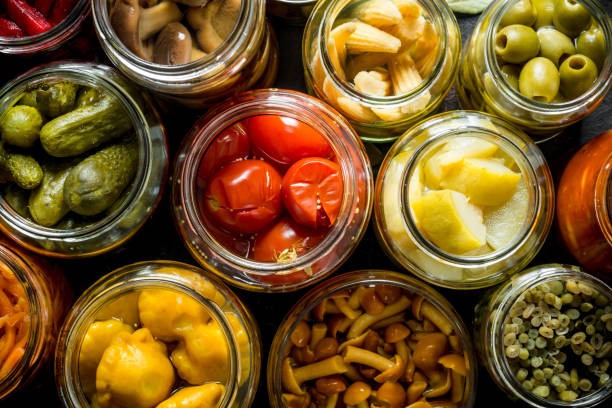
To start canning tomato sauce, you will need to have a large pot, canning jars, lids, and rings, as well as a water bath canner. Begin by washing your tomatoes and removing the stems. Then, blanch the tomatoes in boiling water for about one minute before transferring them to an ice water bath. This will make it easier to peel the tomatoes.
After peeling the tomatoes, chop them up and cook them down in a large pot with any desired seasonings, such as garlic, onions, basil, and oregano. Once the tomato sauce has cooked down to your desired consistency, ladle it into sterilized canning jars, leaving about half an inch of headspace. Wipe the rims of the jars with a clean cloth, place the lids on top, and screw on the rings.
Making Tomato Paste
Start by selecting ripe, juicy tomatoes for your paste. Roma tomatoes are an excellent choice due to their meatiness and low water content, but any variety will work. Wash the tomatoes and remove the stems before cutting them into quarters. Place the tomatoes in a large pot and cook them over low heat, stirring occasionally, until they have softened and released their juices.
Once the tomatoes have cooked down, use a food mill or immersion blender to puree the mixture until smooth. Return the pureed tomatoes to the pot and continue cooking over low heat, stirring frequently, until the mixture has thickened and reduced by about half. This process can take several hours, but the end result will be a rich, concentrated tomato paste that is bursting with flavor.
Allow the tomato paste to cool before transferring it to sterilized jars for storage. You can store the paste in the refrigerator for up to a week or freeze it for longer storage. Use your homemade tomato paste in sauces, soups, stews, and more to add depth and complexity to your dishes.
Preserving Whole Tomatoes
Preserving whole tomatoes is a great way to enjoy the taste of summer all year round. Whether you grew your own tomatoes or picked them up at the farmers' market, canning them ensures that you have delicious, ripe tomatoes on hand whenever you need them. Here's a simple guide to preserving whole tomatoes.
To start, make sure you have clean, sterilized jars and lids ready to go. Wash the tomatoes thoroughly and remove any stems or blemishes. Next, blanch the tomatoes by dropping them in boiling water for about 30 seconds, then immediately transferring them to an ice bath. This will make it easier to remove the skins.
Once the tomatoes are peeled, pack them tightly into the jars, leaving about an inch of headspace at the top. Add a tablespoon of lemon juice to each jar to help preserve the color and taste of the tomatoes. Finally, seal the jars according to the manufacturer's instructions and process them in a boiling water bath for the recommended time based on your altitude.
Tips for Tomato Canning
Tomato canning is a fantastic way to preserve your tomato harvest so you can enjoy them all year round. Whether you prefer tomato sauce, paste, or whole tomatoes, the process is relatively simple and can be done in just a few hours. Here are some tips to help you successfully can your tomatoes at home.
First and foremost, make sure to use fresh, ripe tomatoes for the best results. It's best to use tomatoes that are at their peak ripeness, as they will have the best flavor and will can better. If you have a large amount of tomatoes to can, consider dividing them into smaller batches to make the process more manageable.
When canning tomatoes, it's important to properly sterilize your equipment to prevent the growth of harmful bacteria. This includes sterilizing your jars, lids, and any utensils you will be using. You can sterilize your jars and lids by boiling them in hot water for a few minutes before using them.
Finally, be sure to follow a tested canning recipe to ensure that your tomatoes are safely preserved. This will help prevent spoilage and keep your canned tomatoes fresh for the long haul. You can find plenty of reliable canning recipes online or in canning cookbooks. Make sure to follow the directions closely and pay attention to cooking times and temperatures for the best results. Happy canning!