Roses are not only beautiful to look at, but they also make a delicious addition to a variety of dishes. When canning roses, it's important to remove the bitter white base of the petals before preserving them. Rose petals can be used in jams, jellies, and syrups, adding a delicate floral flavor to your preserves.
Lavender
Lavender is known for its soothing scent, but did you know it's also edible? Lavender can be a great addition to your canning projects, adding a unique flavor to jams, jellies, and desserts. When canning lavender, make sure to use only the buds and remove any stems or leaves before preserving.
Violets
Violets are not only beautiful flowers, but they also have a subtle, sweet flavor that can enhance your canned goods. When canning violets, it's important to use only the petals and remove any green parts. Violets can be used in syrups, salads, and desserts, adding a pop of color and flavor to your dishes.
Step-by-Step Canning Process for Beginners
Step 1: Prepare Your Edible Flowers
Start by selecting fresh, edible flowers from your garden or local market. Make sure to wash the flowers thoroughly to remove any dirt or debris. Remove any stems, leaves, or pollen before proceeding with the canning process.
Step 2: Sterilize Your Jars
Before filling your jars with the edible flowers, it is important to sterilize them first. You can do this by placing the jars in a large pot of boiling water for about 10 minutes. Make sure to also sterilize the lids and rings by placing them in boiling water as well.
Step 3: Fill and Seal Your Jars
Once your jars are sterilized, carefully fill them with the prepared edible flowers, leaving about half an inch of space at the top. Wipe the rims of the jars clean before placing the lids on top. Tighten the lids with the rings and place the jars in a large pot of boiling water for about 10-15 minutes to create a vacuum seal.
Creative Ways to Use Canned Edible Flowers
1. Infuse them into simple syrups: Add a few canned edible flowers to a simple sugar syrup and simmer for a few minutes to create a fragrant and flavorful syrup. Use the syrup to sweeten cocktails, desserts, or even drizzle over pancakes or waffles.
2. Make floral jams and jellies: Incorporate canned edible flowers into your homemade jams and jellies for a touch of floral sweetness. Experiment with combinations like rose and raspberry or lavender and blueberry for a unique twist on traditional preserves.
3. Create floral ice cubes: Place a few canned edible flowers into ice cube trays, fill with water, and freeze to make beautiful floral ice cubes. Use these ice cubes to add a touch of elegance to your cocktails or beverages.
Proper Storage Tips for Preserved Flowers
Preserving edible flowers through canning is a great way to enjoy the beauty of these delicate blooms all year long. But once you've gone through the process of canning your flowers, it's important to store them properly to ensure they stay fresh and vibrant. Here are some tips for storing your preserved flowers to help you get the most out of your efforts.
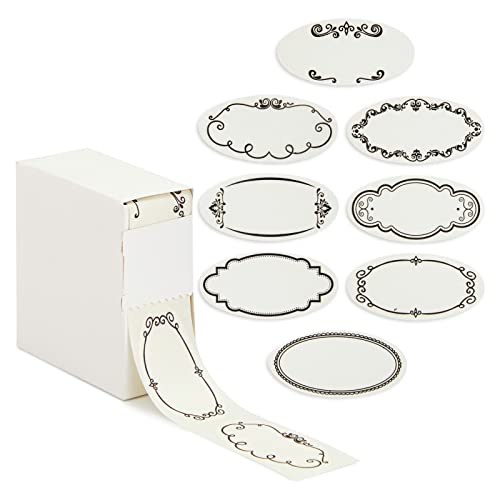
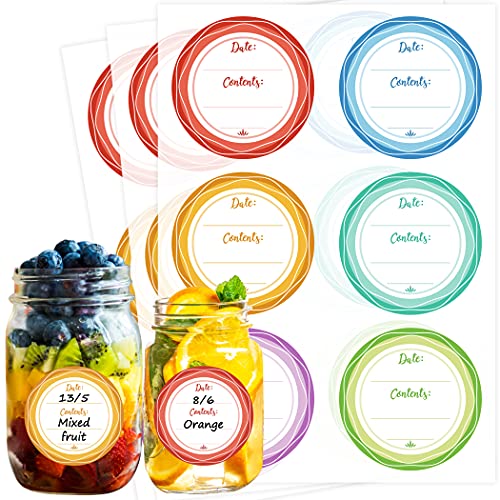
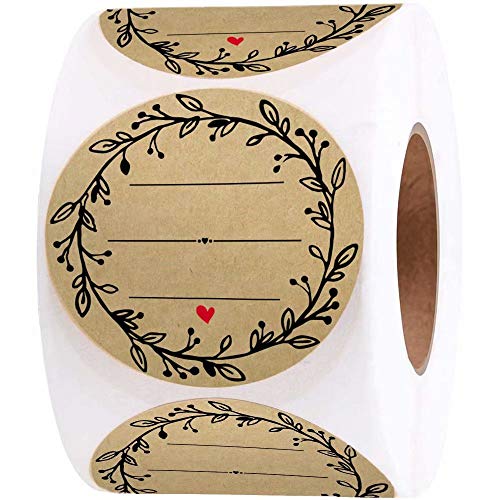
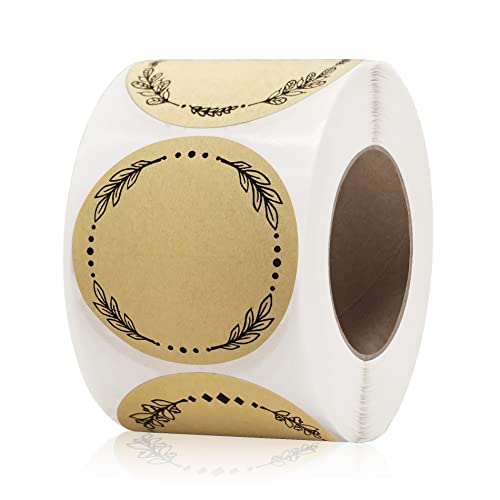
First and foremost, make sure to store your canned flowers in a cool, dry place away from direct sunlight. Exposure to light and heat can cause the colors of the flowers to fade and the flavors to diminish. A pantry or cupboard is an ideal spot for storing your preserved flowers. If you have canned your flowers in jars, it's a good idea to label them with the date they were canned so you can keep track of their freshness.
To keep your canned flowers looking their best, try to store them in a manner that prevents them from shifting around too much. If you've canned your flowers in jars, make sure they are stored upright and not stacked on top of each other. This will help prevent the blooms from getting crushed or bruised. If you've canned your flowers in other types of containers, such as tins or boxes, try to place a layer of tissue paper or parchment paper between the blooms to provide a buffer against damage.
Lastly, be sure to check on your stored preserved flowers periodically to ensure they are still in good condition. If you notice any signs of spoilage, such as mold or discoloration, it's best to discard the flowers to prevent any potential health risks. With proper storage techniques, your preserved flowers will continue to bring joy and beauty to your culinary creations for months to come.