Fermented foods have been a staple in many cultures for centuries, prized for their unique flavors and health benefits. From tangy sauerkraut to fizzy kombucha, there's a wide variety of fermented foods to explore. Fermentation is a natural process where yeasts, bacteria, or a combination of both break down sugars in food, creating beneficial compounds like probiotics and enzymes.
Not only do fermented foods add depth and complexity to dishes, but they also offer numerous health benefits. Probiotics found in fermented foods promote gut health by restoring the balance of good bacteria in the digestive system. Additionally, fermentation can help increase the bioavailability of vitamins and minerals in food, making them easier for the body to absorb.
Whether you're a seasoned cook or a beginner in the kitchen, fermenting your own foods can be a fun and rewarding experience. With some basic equipment and a little patience, you can create delicious and nutritious fermented foods right in your own home. In this article, we'll explore the art of fermentation and provide tips for beginners looking to start preserving their own batch of fermented goodies. So grab your mason jars and get ready to embark on a flavorful journey into the world of fermented foods!
Choosing the Right Containers for Canning
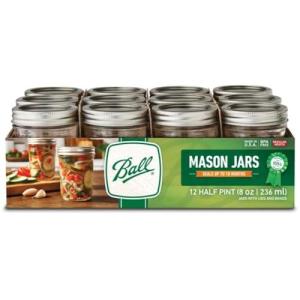
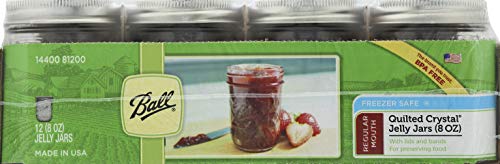
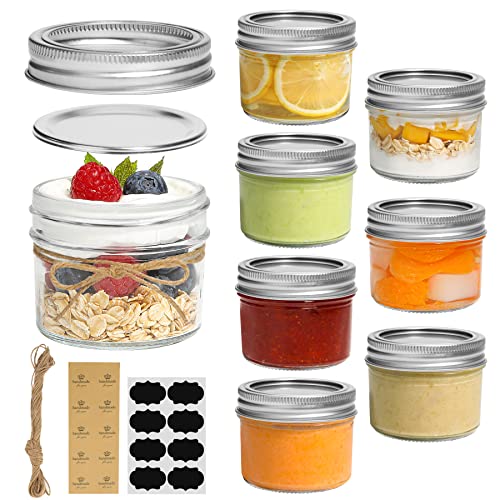
When it comes to canning your fermented foods, choosing the right containers is key to ensuring that your preserves stay fresh and safe to eat. Mason jars are a popular choice for canning, as they are durable and can be easily sealed with lids. However, be sure to check your jars for any cracks or chips before using them, as these can affect the sealing process.
If you prefer to use plastic containers for canning, make sure they are specifically designed for food storage and have airtight lids. Glass containers are also a good option, as they are non-reactive and won't leach any harmful chemicals into your fermented foods. Regardless of the type of container you choose, make sure it is clean and sterilized before filling it with your preserves.
For beginners, it's best to start with smaller containers when canning your fermented foods. This way, you can test out your recipes and see what works best for you before moving on to larger batches. Remember that proper canning techniques are crucial for ensuring the safety and longevity of your preserves, so be sure to follow a reliable canning guide or recipe when starting out.
Step-by-Step Guide to Canning Fermented Foods
Are you ready to take your fermentation game to the next level? Canning fermented foods is a great way to preserve the flavors and nutrients of your homemade creations. Follow this simple guide to get started!
Step 1: Prepare Your Equipment
Before you start canning, make sure you have all the necessary equipment on hand. This includes canning jars, lids, rings, a water bath canner, and a jar lifter. Make sure everything is clean and in good condition before you begin.
Step 2: Fill Your Jars
Once your equipment is ready, fill your canning jars with your fermented foods. Leave about half an inch of space at the top of each jar to allow for proper sealing. Make sure to wipe the rims of the jars clean before placing the lids on top.
Step 3: Process Your Jars
Place your filled jars in the water bath canner, making sure they are covered with at least 1-2 inches of water. Bring the water to a gentle boil and process the jars for the recommended amount of time. This will vary depending on the type of fermented food you are canning, so be sure to check a reliable source for specific instructions.
Storing and Enjoying Your Homemade Fermented Creations
Once you've successfully fermented your favorite foods, it's important to know how to store them properly to maintain their flavor and benefits. One of the most common ways to store fermented foods is by canning them. This process involves sealing the jars in a water bath or pressure canner to preserve the food for an extended period. Canning your fermented creations not only helps to lock in their flavors but also ensures that they last longer.
Before you begin canning, make sure to have all the necessary tools and equipment, including canning jars, lids, and bands. It's also important to follow proper canning procedures to prevent spoilage or contamination. After filling the jars with your fermented foods, leaving appropriate headspace, and tightening the lids, you can then proceed with the canning process.
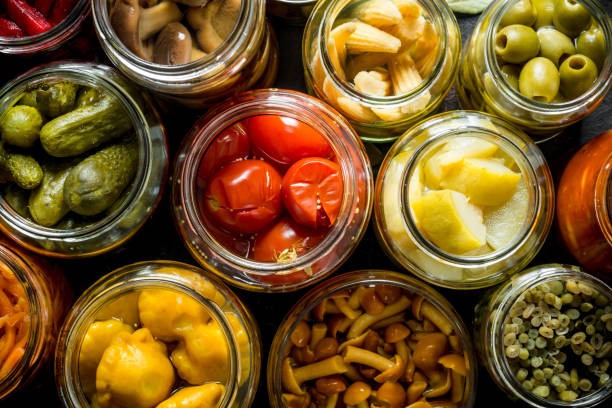
Once your jars have been properly canned and cooled, it's time to enjoy your homemade fermented creations. Fermented foods can be enjoyed on their own as a nutritious snack or used as ingredients in various dishes. From sauerkraut and kimchi to pickles and kombucha, the possibilities are endless. Experiment with different recipes and let your creativity shine in the kitchen!