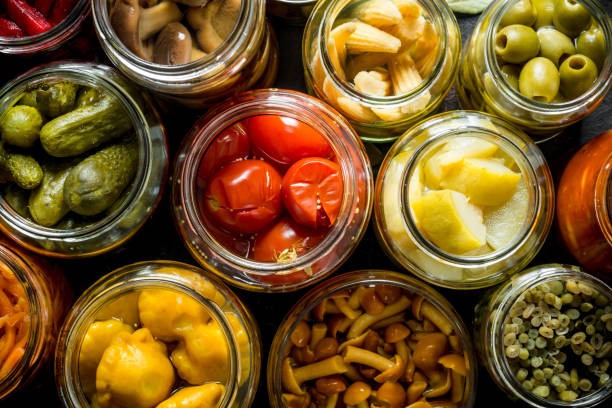
The National Center for Home Food Preservation, or NCHFP for short, is a valuable resource for anyone interested in safely preserving their own food at home. This organization is part of the University of Georgia's Cooperative Extension, and they provide research-based recommendations and resources to help people preserve their food in a safe and effective manner. Whether you are canning, freezing, drying, or pickling, NCHFP has the information you need to ensure that your food stays safe to eat for months to come.
One of the key roles of NCHFP is to conduct research on food preservation techniques and share their findings with the public. By staying up to date on the latest scientific research, NCHFP is able to provide accurate and reliable information to home food preservers. This ensures that people are able to preserve their food in a way that minimizes the risk of foodborne illness and spoilage. Additionally, NCHFP offers a variety of resources, such as how-to guides, fact sheets, and online courses, to help educate the public about safe food preservation practices.
The impact of NCHFP is significant, as their work helps to prevent food waste and allows people to enjoy fresh, homemade foods all year round. By following the guidelines and recommendations provided by NCHFP, individuals can feel confident that their preserved foods are safe to eat and of the highest quality. Whether you are a seasoned food preserver or new to the practice, NCHFP is a valuable resource that can help you make the most of your harvest and enjoy the fruits of your labor for months to come.
Why NCHFP Matters
The National Center for Home Food Preservation (NCHFP) plays a crucial role in promoting food safety and reducing food waste in households across the United States. With their wealth of resources and research-backed information, NCHFP empowers individuals to preserve their own fruits, vegetables, and meats through safe and tested methods. This not only helps families save money by extending the life of their produce, but also ensures they are consuming safe and nutritious foods.
One of the main reasons why NCHFP matters is their dedication to educating the public on the importance of proper food preservation techniques. By providing step-by-step instructions and guidelines on canning, freezing, and drying foods, they equip individuals with the knowledge and skills needed to store their foods safely for long periods of time. This is especially important for those who grow their own fruits and vegetables and want to enjoy them throughout the year.
Furthermore, NCHFP plays a significant role in reducing food waste by teaching individuals how to store and preserve excess produce that would otherwise go to waste. By following their guidelines, households can enjoy seasonal fruits and vegetables all year round, without having to worry about them spoiling. This not only helps save money, but also reduces the environmental impact of food waste on our planet. So, next time you find yourself with a surplus of produce, remember that NCHFP is here to help you make the most out of your harvest.
How NCHFP Works
The National Center for Home Food Preservation, or NCHFP, serves as a valuable resource for individuals looking to safely preserve their own food at home. The NCHFP provides research-based recommendations and guidelines for canning, freezing, drying, and pickling various types of foods. This information is essential for ensuring that home-preserved foods are safe to eat and free from harmful bacteria that can cause foodborne illnesses.
One of the key ways in which the NCHFP works is by conducting research to determine the best methods for preserving different types of foods. This research involves testing various preservation techniques to determine their effectiveness in inhibiting the growth of harmful bacteria and ensuring the quality of the preserved food. The results of this research are used to develop guidelines and recommendations that are then shared with the public through the NCHFP website, publications, and trainings.
In addition to providing research-based recommendations, the NCHFP also offers a wealth of resources for individuals looking to learn more about home food preservation. These resources include instructional videos, step-by-step guides, and frequently asked questions that cover a wide range of topics related to food preservation. By making this information easily accessible, the NCHFP helps empower individuals to preserve their own food safely and confidently.
Benefits of NCHFP
The National Center for Home Food Preservation (NCHFP) plays a critical role in promoting safe home food preservation practices. Their extensive resources and research-based information have helped countless individuals across the country in properly canning, freezing, and dehydrating food. By following NCHFP guidelines, families can enjoy the benefits of preserving their own fruits, vegetables, and meats without the risk of harmful bacteria or spoilage.
One of the key benefits of NCHFP is the wealth of information they provide on food safety and preservation. From step-by-step guides on canning to tips on storing leftovers, their comprehensive website is a go-to resource for anyone looking to extend the life of their perishable goods. By following NCHFP recommendations, individuals can ensure that their preserved foods are not only delicious but also safe to consume.
Moreover, NCHFP offers a variety of research-based recipes that cater to different tastes and dietary preferences. Whether you're looking to make jams, pickles, or salsa, their collection of tested recipes guarantees successful results every time. With NCHFP's guidance, you can confidently preserve seasonal produce or bulk purchases, knowing that you're following the best practices in home food preservation.