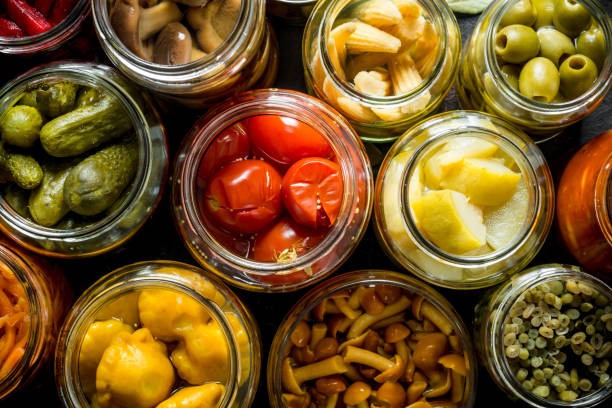
Canning is a popular method of food preservation that allows you to enjoy your favorite fruits and vegetables all year round. However, it's important to remember that safe canning practices should always be followed to prevent the growth of harmful bacteria and ensure the long-term safety of your canned goods.
Safe canning involves properly sterilizing jars, lids, and utensils to eliminate any potential contaminants. It also requires following tested recipes that specify the correct processing times and pressures for different types of foods. By adhering to these guidelines, you can significantly reduce the risk of foodborne illness and spoilage.
One of the key benefits of safe canning is that it allows you to store food for extended periods without the need for refrigeration. This can be especially useful during times of food scarcity or when you have an abundance of fresh produce that you want to preserve for later use. By mastering safe canning techniques, you can enjoy the convenience and cost savings of homemade canned goods with confidence.
Whether you're a seasoned canner or just starting out, prioritizing safe canning practices is essential for maintaining the quality and safety of your preserved foods. By following proper sterilization methods and using trusted recipes, you can ensure that your canned goods are safe to eat and enjoy for months to come. So remember, when it comes to safe canning, caution is key!
Choosing the Right Canning Equipment
When it comes to safe canning, having the right equipment is key to ensuring your home preservation success. There are several essential items you'll need to have on hand in order to properly can your fruits and vegetables.
First and foremost, you'll need a large canning pot with a rack insert. This pot is specifically designed for canning and is deep enough to hold jars submerged in boiling water. The rack insert helps to keep the jars off the bottom of the pot to prevent cracking.
In addition to the canning pot, you'll also need a set of canning jars with lids and bands. Mason jars are a popular choice for safe canning and come in various sizes to fit different types of produce. Make sure to use new lids each time you can to ensure a proper seal.
Finally, you'll need a few other tools such as a jar lifter, a bubble remover tool, and a canning funnel. The jar lifter will help you safely remove hot jars from the boiling water, while the bubble remover tool is used to release any air bubbles trapped in the jars. The canning funnel makes it easy to fill the jars without spilling. By having the right canning equipment on hand, you can ensure that your home preservation efforts are successful and safe.
Step-by-Step Guide to Proper Canning
Safe canning is not only a great way to preserve fresh produce, but also a way to ensure that your food is safe to eat. Follow these simple steps to master safe canning techniques for home preservation success.
Storing Your Home-Canned Goods Safely
First and foremost, make sure to store your canned goods in a cool, dark place. Sunlight and heat can cause the quality of your canned goods to deteriorate more quickly, so it's best to keep them in a pantry or cellar away from direct light and heat sources. Additionally, be sure to store your canned goods in a location where the temperature remains consistent, as drastic fluctuations in temperature can also affect the quality of your food.
Another important tip for safe canning is to regularly check the seals on your jars. Before consuming any canned goods, always check the lid to ensure it is still tightly sealed. If the lid is loose or pops up when pressed, discard the contents immediately. This could be a sign that the food inside has spoiled or is no longer safe to eat.
Lastly, be sure to label all of your canned goods with the date they were canned. This will help you keep track of how long each item has been stored and ensure you're consuming your oldest goods first. By following these simple storage tips, you can enjoy your home-canned goods safely for months, or even years, to come.