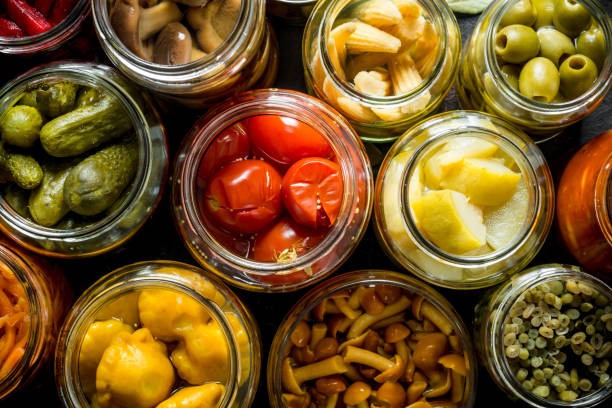
Canning water is a fantastic way to ensure you have access to clean and safe drinking water in case of emergencies. By storing water in sealed, airtight containers like mason jars, you can extend the shelf life of the water significantly. This means you'll always have a supply of fresh water on hand, even if the tap water is compromised or unavailable. Canning water is a simple and effective method that can be done at home with minimal effort and equipment.
One of the main benefits of canning water is that it can save you money in the long run. Instead of relying on expensive bottled water or pricey filtration systems, you can simply store tap water in canning jars and have peace of mind knowing you're prepared for any eventuality. Canning water is also eco-friendly, as it reduces the need for single-use plastic water bottles that can harm the environment. By using reusable canning jars, you're not only saving money but also reducing your carbon footprint.
In addition to the cost savings and environmental benefits, canning water is also a convenient way to ensure you have access to clean water during emergencies. Whether it's a natural disaster, power outage, or other unexpected situation, having canned water on hand can be a lifesaver. By taking the time to can water ahead of time, you'll be better prepared for any emergency that comes your way. So don't wait until it's too late – start canning water today and give yourself the peace of mind knowing you're ready for anything.
Step-by-Step Canning Instructions
Are you looking for the ultimate emergency preparation hack? Canning water is a great way to ensure you have clean, safe drinking water on hand in case of an emergency. Follow these simple step-by-step instructions to learn how to can water at home.
Step 1: Gather Your Supplies
Before you begin the canning process, make sure you have all the necessary supplies on hand. You will need clean canning jars, lids, rings, a canner, and fresh water. It's important to use jars specifically designed for canning to ensure a proper seal.
Step 2: Sterilize Your Jars
Start by washing your jars, lids, and rings in hot, soapy water. Then, place the jars in a canner and cover them with hot water. Bring the water to a boil and let the jars simmer for 10 minutes to sterilize them.
Step 3: Fill and Process Your Jars
Fill each jar with fresh water, leaving about an inch of headspace at the top. Wipe the rims of the jars clean, then place the lids on top and screw on the rings. Process the jars in a canner according to the manufacturer's instructions, typically boiling for 10-20 minutes.
Long-Term Storage Tips
When it comes to canning water for long-term storage, there are a few key tips to keep in mind to ensure the safety and quality of your stored water. First and foremost, it's important to use proper canning jars and lids that are designed for canning. Mason jars are a popular choice for canning water due to their durability and airtight seals. Make sure to inspect your jars and lids for any cracks or imperfections before using them to prevent leaks or contamination.
Another important tip for canning water is to properly sanitize your jars and lids before filling them with water. This will help to prevent any bacteria or contaminants from entering the water during the canning process. Boiling your jars and lids in hot water for a few minutes is an effective way to ensure they are properly sanitized before use.
Lastly, it's crucial to store your canned water in a cool, dark place away from direct sunlight and extreme temperatures. Ideally, canned water should be stored in a pantry or basement where the temperature remains relatively consistent. This will help to preserve the quality of the water and ensure that it remains safe to drink for an extended period of time.
Quick Access to Safe Drinking Water
During emergency situations, having access to safe drinking water is crucial for survival. One simple and effective way to ensure you always have clean water on hand is by canning water. Canning water is a convenient and practical solution for storing water long-term in case of emergencies.
To start canning water, all you need is clean, sterilized canning jars, lids, and a water bath canner. Fill each jar with clean, filtered water, leaving about an inch of headspace at the top. Place the lids on the jars and process them in the water bath canner according to the manufacturer's instructions. Once the jars have been processed and sealed, they can be stored in a cool, dark place until needed.
Canning water is a great way to ensure you always have access to safe drinking water in case of emergencies such as natural disasters or power outages. By taking the time to can water now, you can have peace of mind knowing that you and your loved ones will have a reliable source of clean water when you need it most. So why wait? Start canning water today and be prepared for whatever life throws your way!