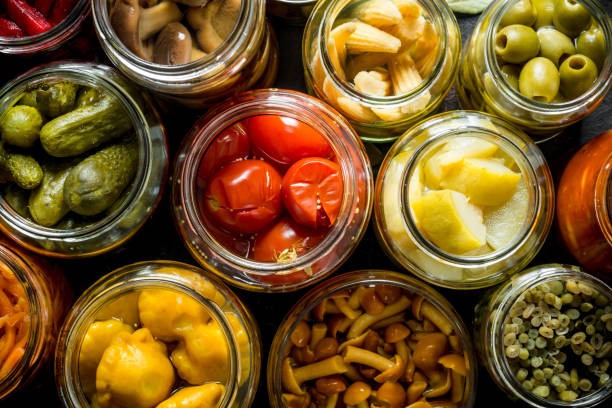
Planning ahead is key to successful long-term canning. Before diving into the world of home canning, take some time to map out a schedule that works for you. This will help you stay organized, motivated, and ensure that you have a bountiful pantry stocked with delicious fruits and vegetables for the months ahead.
Start by taking inventory of your pantry and noting which items you use most frequently. This will help you prioritize what to can first and what items you should focus on throughout the canning season. Next, consider how much time you can realistically dedicate to canning each week. Whether it's an hour after work or a full day on the weekend, setting aside dedicated canning time will help you stay on track.
Once you have a general idea of what you want to can and when you can do it, create a canning schedule. This schedule should outline which fruits and vegetables you plan to can each week, as well as any other tasks such as shopping for supplies or cleaning your canning equipment. By breaking down the canning process into smaller, manageable tasks, you'll be more likely to stick to your schedule and achieve long-term canning success.
Essential Tools for Canning at Home
Canning at home can be a fulfilling and practical way to preserve your favorite fruits and vegetables for long-term use. However, having the right tools on hand is essential to ensure that your canning process is efficient and successful. Here are some essential tools that every home canner should have:
These essential tools will help you on your journey to successful home canning. Make sure to stock up on all the necessary supplies ahead of time so you can enjoy the fruits of your labor for months to come!
Preparing Produce for Long-Term Preservation
One of the key steps in successfully preserving produce for the long term is preparing it properly before starting the canning process. By taking the time to wash, peel, chop, and blanch your fruits and vegetables, you can help ensure that they retain their flavor, texture, and nutritional value throughout the preservation process.
Start by thoroughly washing all produce under cool, running water to remove any dirt, pesticides, or bacteria. For fruits with thicker skins, like apples or cucumbers, consider peeling them to ensure a smoother texture in your finished product. For vegetables like carrots or green beans, be sure to peel and chop them into uniform sizes to ensure even cooking during the canning process.
Before canning, it's important to blanch your produce by briefly immersing them in boiling water, then quickly transferring them to an ice bath to stop the cooking process. Blanching not only helps to preserve the color, flavor, and texture of your fruits and vegetables, but it also helps to destroy any bacteria that could cause spoilage during storage.
Proper Storage Techniques for Canned Goods
Canning is a great way to preserve your favorite fruits and vegetables for long-term storage. However, once you've canned your goods, it's important to store them properly to ensure they stay safe to eat and retain their quality. Here are some smart strategies for long-term canning success.
First and foremost, make sure to store your canned goods in a cool, dark, and dry place. Excessive heat and light can cause the food to spoil more quickly, so it's best to keep them in a pantry or cupboard away from any direct sunlight or heat sources. Make sure the area is also well-ventilated to prevent any moisture buildup.
Additionally, be sure to rotate your canned goods regularly to ensure you're using the oldest ones first. This will help prevent any spoilage or waste and ensure you're always getting the freshest canned goods possible. And finally, always be sure to check your canned goods for any signs of spoilage before consuming them. If you notice any bulging lids, leaks, or off smells, it's best to throw them out to avoid any potential foodborne illnesses.