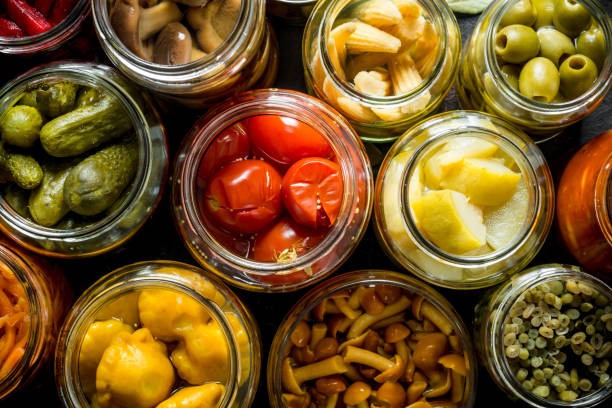
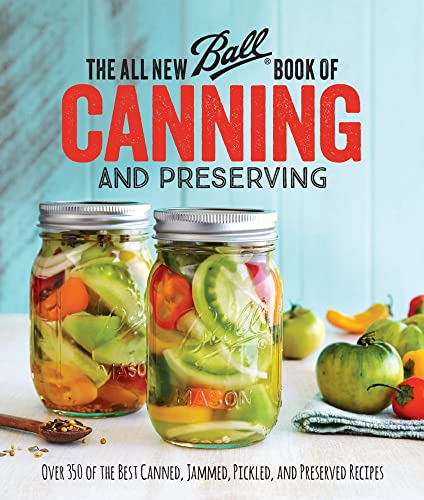
One of the best ways to enjoy delicious fruits and vegetables all year round is by canning them at home. Canning not only preserves the food's flavor and nutrients, but it also ensures that you have access to your favorite produce even when they are out of season. However, it's important to follow proper guidelines to ensure that the canned food is safe to eat. The National Center for Home Food Preservation (NCHFP) provides valuable information on how to can fruits and vegetables safely at home.
When canning fruits and vegetables, it's crucial to use proper canning equipment, such as canning jars, lids, and a pressure canner or boiling water bath canner. Before starting the canning process, it's essential to thoroughly wash and inspect the fruits and vegetables for any signs of spoilage. Additionally, following the NCHFP guidelines for processing times and methods is important to prevent the growth of harmful bacteria that can cause foodborne illnesses.
The NCHFP recommends using tested recipes for canning fruits and vegetables to ensure their safety. These recipes have been scientifically proven to provide the correct balance of acidity, temperature, and processing time to prevent the growth of bacteria. It's important to not alter ingredient quantities or processing methods in the recipes to avoid the risk of microbial contamination. By following the NCHFP guidelines, you can safely enjoy your canned fruits and vegetables without any worries.
Freezing Techniques for Long-Term Food Preservation
One of the most popular methods of long-term food preservation is freezing. Freezing helps to maintain the quality of food by slowing down the growth of spoilage-causing bacteria and enzymes. To ensure safe and effective freezing, follow these guidelines from the National Center for Home Food Preservation (NCHFP).
When freezing food, it is important to use air-tight, moisture-proof packaging to prevent freezer burn. Freezer burn can affect the taste and texture of food, so make sure to wrap items in plastic wrap, aluminum foil, or freezer bags before placing them in the freezer. Label all packages with the date of packaging to keep track of how long items have been frozen.
For optimal freezing, set your freezer to 0 degrees Fahrenheit or lower. This will ensure that food freezes quickly and properly, preserving its quality and flavor. It is also important to leave some space between packages in the freezer to allow for proper air circulation. This will help maintain a consistent temperature throughout the freezer, preventing any areas from getting too warm.
When freezing produce, blanching is recommended before packaging items for the freezer. Blanching helps to stop enzyme actions that can cause loss of flavor, color, and texture in frozen vegetables. Follow the NCHFP guidelines for blanching times for different types of produce to ensure the best results. By following these freezing techniques recommended by the NCHFP, you can safely preserve food for long-term storage while maintaining its quality and flavor.
Pickling and Fermenting Foods for Storage
Pickling and fermenting foods are traditional methods for prolonging the shelf life of fruits and vegetables. These two processes not only help preserve the nutritional value of the produce but also enhance the flavor, making them perfect for storage. Fermentation involves the use of natural bacteria to transform sugars into acids, creating a tangy and slightly sour taste that many people enjoy. On the other hand, pickling involves submerging the food in a brine solution made of vinegar, salt, and spices, which helps prevent the growth of harmful bacteria.
The National Center for Home Food Preservation (NCHFP) emphasizes the importance of following safe guidelines when pickling and fermenting foods for storage. This includes proper sterilization of jars and lids to prevent contamination, using the correct ratio of salt to water for fermenting, and ensuring that the pickling solution is the right acidity level to prevent spoilage. By adhering to these guidelines, you can ensure that your pickled and fermented foods are safe to eat and will last for an extended period.
When pickling and fermenting foods for storage, it's essential to use high-quality ingredients to achieve the best results. The NCHFP recommends using fresh, ripe produce and high-quality vinegar and salt to ensure the best flavor and texture. Additionally, following tested recipes from reputable sources like the NCHFP can help you avoid common pitfalls and ensure that your preserved foods turn out delicious and safe to eat. So whether you're pickling cucumbers for crunchy pickles or fermenting cabbage for tangy sauerkraut, the NCHFP's guidelines can help you enjoy your homemade preserved foods with peace of mind.
Safe Drying Methods for Home Food Preservation
When it comes to home food preservation, drying is a popular method used to extend the shelf life of fruits, vegetables, and herbs. However, it is crucial to follow safe drying methods to prevent the growth of harmful bacteria and ensure the quality of the preserved food. The National Center for Home Food Preservation (NCHFP) provides guidelines to help home cooks properly dry foods for storage.
One of the key recommendations from the NCHFP is to always use a food dehydrator or oven to dry foods, as sun drying can lead to uneven drying and potential contamination. It is important to set the dehydrator or oven to the recommended temperature for each type of food being dried, as this will help to kill any bacteria present. Additionally, foods should be cut into uniform pieces to ensure even drying and to prevent some pieces from being underdried while others are over dried.
Proper storage is another essential aspect of safe drying according to the NCHFP. Once the foods are dried to the appropriate moisture content, they should be stored in airtight containers such as glass jars or plastic bags to keep out moisture and pests. It is also recommended to label the containers with the date of drying and the type of food to help keep track of shelf life and prevent any mix-ups.
By following these guidelines from the NCHFP, home cooks can safely preserve their favorite fruits, vegetables, and herbs through drying. Not only does proper drying methods help to prevent foodborne illnesses, but it also allows for the enjoyment of home-grown produce all year round. Remember to always refer back to the NCHFP guidelines whenever in doubt about safe home food preservation methods.