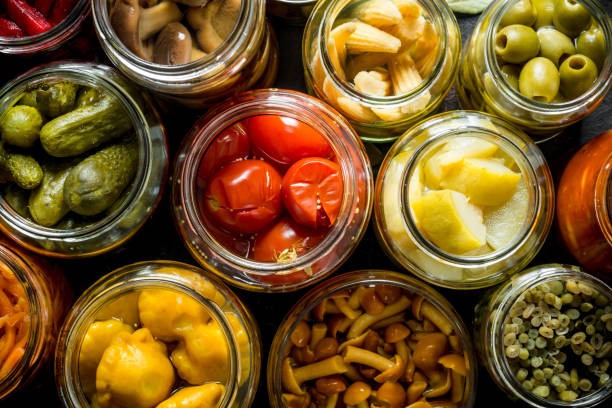
When it comes to preserving root vegetables using canning techniques, proper preparation is key to ensuring a successful end result. Follow these simple steps to make sure your canned root vegetables are safe and delicious:
Step 1: Choose fresh, firm vegetables. Select root vegetables that are in good condition, free of blemishes or soft spots. Wash the vegetables thoroughly to remove any dirt or debris.
Step 2: Peel and chop the vegetables. Peel the root vegetables if necessary and cut them into uniform pieces. This will help ensure even cooking and canning.
Step 3: Prepare your canning jars. Wash your canning jars, lids, and bands in hot, soapy water. Rinse them well and sterilize them by boiling in a large pot of water for 10 minutes. Remove from the water and let them air dry on a clean towel.
Equipment needed for preserving root veggies
Preserving root veggies is a fantastic way to enjoy the delicious taste of fresh produce all year round. To get started, you'll need a few key pieces of equipment to make sure your canning process goes smoothly. First and foremost, you'll need a large stockpot or canner to safely process your jars of vegetables. This will ensure that your veggies are properly sterilized and sealed for long-term storage.
Next, you'll need canning jars with lids and bands to store your preserved vegetables. Make sure to check that the jars are in good condition, with no cracks or chips, to prevent any leaks or spoilage. A jar lifter is also essential for safely removing hot jars from the canner without burning yourself.
Other necessary equipment includes a canning funnel to easily fill your jars with veggies and brine, a ladle for pouring hot liquid into the jars, and a bubble popper or chopstick to remove any air bubbles from the jars before sealing. Lastly, a clean kitchen towel or paper towels will come in handy for wiping the jar rims and ensuring a proper seal. With these tools in hand, you'll be well-equipped to start preserving your favorite root veggies with canning techniques.
Basic canning techniques for root vegetables
Root vegetables are a hearty and versatile addition to any meal, but they can spoil quickly if not preserved properly. Canning is a great way to make your root vegetables last for months to come. Here are some basic canning techniques to get you started.
Before you begin canning, make sure to thoroughly wash and peel your root vegetables. Cut them into uniform pieces to ensure even cooking and canning. It's also important to sterilize your canning jars and lids by boiling them in hot water for about 10 minutes.
Next, prepare your canning liquid. A simple brine solution made of water, vinegar, sugar, and salt works well for most root vegetables. You can also add herbs and spices like garlic or dill for extra flavor. Bring the brine to a boil and let it simmer for a few minutes.
Once your vegetables are packed into the jars and covered with the hot brine, seal them tightly with the lids and process in a boiling water bath for the recommended time. This will ensure that the jars are properly sealed and the vegetables are safely preserved. Store your canned root vegetables in a cool, dark place and enjoy them throughout the year.
Storage tips for canned root veggies
Preserving root vegetables through canning is a great way to ensure you have delicious and nutritious produce all year round. When it comes to canned root veggies, proper storage is key to maintaining their flavor and texture. Here are some helpful tips to make sure your canned root vegetables stay fresh and tasty:
First, store your canned root vegetables in a cool, dark place. Excessive exposure to light and heat can cause the veggies to lose their flavor and nutrients over time. A pantry or cellar with a consistent temperature is ideal for long-term storage. Make sure the cans are stored away from direct sunlight and sources of heat to prevent spoilage.
Additionally, always store canned root vegetables in a dry environment. Moisture can lead to rusting of the cans and compromise the quality of the veggies inside. Check the cans regularly for any signs of rust or leaks, and discard any damaged cans immediately to prevent contamination.
Lastly, label and date your canned root vegetables for easy identification. Proper labeling helps you keep track of when the veggies were canned and ensures you use the oldest cans first. This will help prevent waste and ensure you enjoy the freshest flavors from your canned root vegetables.