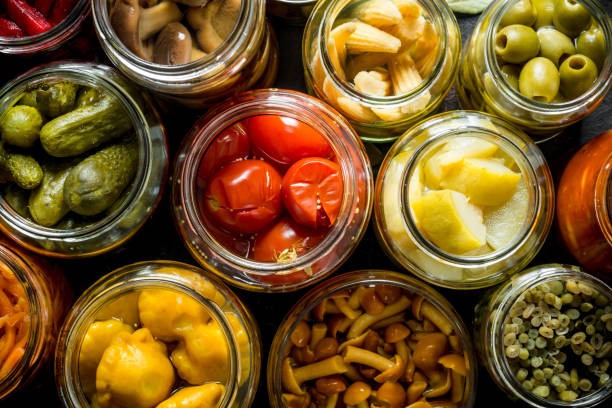
Botulism is a serious illness caused by the bacteria Clostridium botulinum. This bacteria can be found in soil and can grow in improperly canned or preserved foods. When the bacteria grow and produce toxins, they can cause paralysis and even be fatal if left untreated. Understanding the dangers of botulism is crucial in order to prevent it from occurring in your canned foods.
One of the main factors that can contribute to the growth of Clostridium botulinum is improper canning techniques. When canning foods, it is important to follow safe canning practices such as using proper equipment, following tested recipes, and processing foods at the correct temperature and pressure. Failing to do so can create an environment where the bacteria can thrive and produce toxins that can lead to botulism.
Symptoms of botulism can include weakness, blurred vision, difficulty speaking and swallowing, and even paralysis. If you suspect that you or someone else has been exposed to botulism, it is important to seek medical attention immediately as the illness can be life-threatening. By understanding the dangers of botulism and following safe canning practices, you can help prevent this serious illness from occurring in your home.
Proper Canning Techniques to Avoid Contamination
Proper canning techniques are crucial to prevent contamination and foodborne illnesses like botulism. Botulism is a serious illness caused by a toxin produced by Clostridium botulinum bacteria, which can survive and thrive in improperly canned foods. To keep yourself and your loved ones safe, follow these guidelines for safe canning practices.
First and foremost, always start with clean equipment and ingredients. Wash your hands thoroughly before handling any food, and make sure all utensils, jars, and surfaces are sanitized before use. Sterilize your canning jars in boiling water for at least 10 minutes before filling them with your preserved foods. Avoid using jars with chips, cracks, or any other imperfections, as these can compromise the seal and allow bacteria to enter.
When filling your jars, leave the recommended amount of headspace at the top to allow for proper sealing and expansion during processing. Use the correct type of lid and follow the manufacturer's instructions for sealing the jars securely. Process your canned goods in a pressure canner or boiling water bath for the recommended amount of time and at the specified pressure to kill any harmful bacteria and ensure a safe product.
Signs and Symptoms of Botulism Poisoning
Botulism poisoning is a serious condition caused by a toxin produced by the bacterium Clostridium botulinum. It can result from consuming contaminated food, such as improperly canned goods. Recognizing the signs and symptoms of botulism poisoning is essential for seeking prompt medical treatment.
One of the first symptoms of botulism poisoning is blurred or double vision, as well as drooping eyelids. This is often followed by difficulty swallowing, speaking, and breathing. Muscle weakness, dry mouth, and paralysis can also occur, starting in the face and then spreading throughout the body.
If you or someone you know experiences any of these symptoms after consuming canned foods, seek medical attention immediately. Early treatment can help prevent the progression of the disease and improve the chances of recovery. Remember, prevention is the best way to protect yourself from botulism poisoning – always follow proper canning techniques and be cautious of any signs of contamination. Stay safe and be vigilant about the foods you consume!
Tips for Safe Canning Practices
When it comes to home canning, safety should always be your top priority. Botulism, a rare but serious illness caused by a toxin produced by the bacterium Clostridium botulinum, can be prevented by following safe canning practices. Here are some tips to ensure that your canned goods are safe to eat:
1. Use proper canning equipment: Make sure you have the right tools for the job, including a pressure canner for low-acid foods like vegetables and meats, and a water bath canner for high-acid foods like fruits and tomatoes. Using the wrong equipment can increase the risk of botulism.
2. Follow tested recipes: It's important to use recipes that have been tested for safety by reliable sources, such as the USDA or a reputable canning guide. Do not alter the ingredients or proportions in the recipe, as this can affect the acidity level and lead to bacterial growth.
3. Practice good hygiene: Before you begin canning, make sure to wash your hands and all equipment thoroughly with hot, soapy water. Cleanliness is key to preventing contamination and ensuring the safety of your canned goods. Remember to also inspect your jars for any cracks or chips that could compromise their integrity.