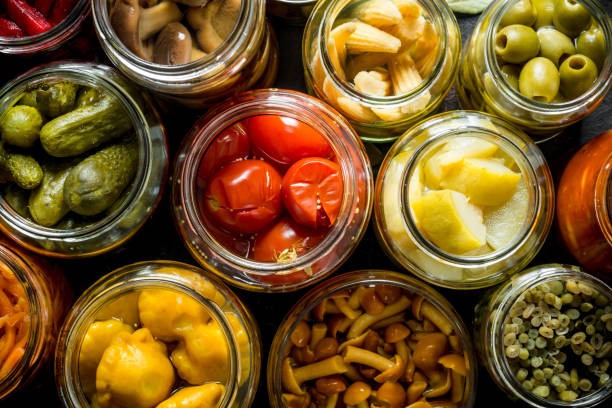
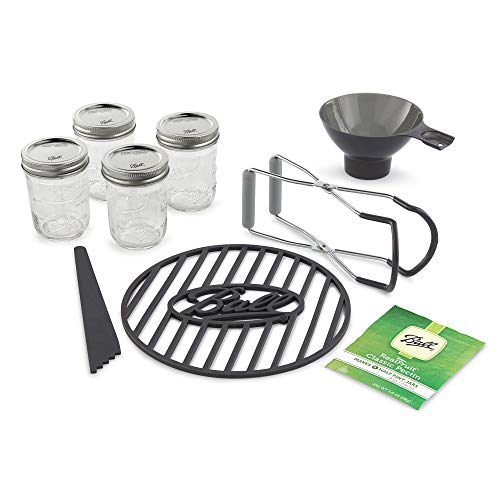
Home canning is a wonderful way to preserve your favorite fruits and vegetables to enjoy throughout the year. To ensure success in your home canning endeavors, there are a few essential tools you will need to have on hand.
First and foremost, you will need a reliable canner. There are two main types of canners to choose from: water bath canners and pressure canners. Water bath canners are great for high-acid foods like fruits, while pressure canners are necessary for low-acid foods like vegetables and meats. Make sure to choose the right canner for the types of foods you plan on canning.
In addition to a canner, you will also need canning jars, lids, and bands. Glass Mason jars are the most commonly used for home canning, as they are sturdy and can withstand the high temperatures needed for proper preservation. It's important to use new lids for each canning session to ensure a tight seal and prevent spoilage.
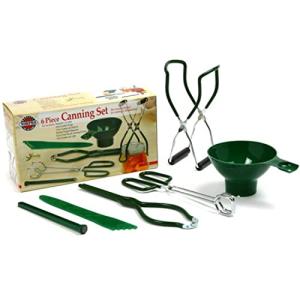
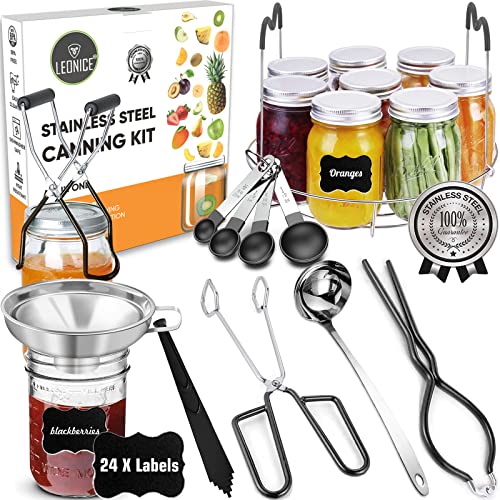
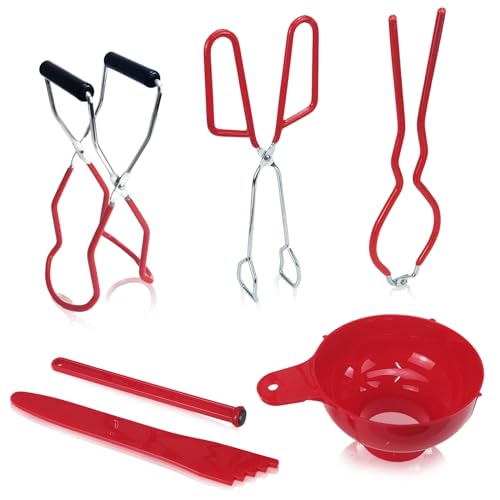
Other essential tools for successful home canning include a jar lifter for safely removing jars from hot water, a canning funnel for easy and mess-free filling of jars, and a bubble remover for releasing any trapped air bubbles in your canned goods. With these tools in your arsenal, you'll be well-equipped to tackle all your home canning projects with confidence.
Safely Preserving Foods at Home
Preserving foods at home through home canning is a great way to enjoy your favorite fruits and vegetables all year round. By following a few simple steps, you can ensure that your canned foods remain safe to eat and retain their delicious flavor.
The first step in home canning is to make sure you have all the necessary equipment. This includes Mason jars, lids, rings, a canner, and a jar lifter. It's important to start with clean and sterilized jars to prevent any bacteria from contaminating your food.
When it comes to canning fruits and vegetables, it's crucial to follow a tested recipe from a reliable source. The correct proportions of fruits, vegetables, acids, and sugars are essential for the safe preservation of your food. Don't take any shortcuts or make any substitutions, as this can lead to spoilage or even botulism.
After filling your jars with the prepared food, make sure to properly seal them with the lids and rings. The next step is to process the jars in a water bath or pressure canner, depending on the type of food you're preserving. Following the recommended processing time and method is crucial for ensuring that harmful bacteria are destroyed.
By following these guidelines, you can safely preserve your foods at home through the art of home canning. Experiment with different recipes and enjoy the taste of summer all year long. Happy canning!
Beginner-Friendly Home Canning Recipes
One of the easiest recipes to start with is classic strawberry jam. Simply combine fresh strawberries, sugar, and lemon juice in a pot and cook until thickened. Pour the jam into sterilized jars, seal, and process in a water bath canner. In no time, you'll have delicious homemade jam to spread on your morning toast!
If you're more of a pickle fan, try making your own dill pickles. Combine cucumbers, dill, garlic, and vinegar in a jar, then seal and process in a water bath canner. These tangy pickles are perfect for snacking or adding to sandwiches.
With these easy home canning recipes, you'll be well on your way to becoming a canning pro in no time. Experiment with different fruits and vegetables to create your own signature preserves and pickles. Happy home canning!
Common Mistakes to Avoid When Canning
Home canning is a wonderful way to preserve the flavors of the season and enjoy your favorite fruits and vegetables all year round. However, it's important to avoid these common mistakes to ensure your canned goods are safe and delicious.
One common mistake in home canning is not using the proper equipment. It's essential to use a pressure canner for low-acid foods like vegetables and meats to prevent the growth of harmful bacteria. Using a water bath canner for these foods can put you at risk for foodborne illnesses.
Another mistake to avoid is not following a tested recipe. It's crucial to use recipes from trusted sources like the National Center for Home Food Preservation to ensure the correct processing times and ingredient ratios are used. Improvising can lead to underprocessing or overprocessing, resulting in spoiled or unsafe canned food.
Lastly, failing to properly sterilize jars and lids before canning can lead to contamination. Make sure to thoroughly wash and sanitize your jars and lids before filling them with your delicious homemade preserves. Taking these extra steps will ensure your home canned goods are safe to enjoy for months to come.