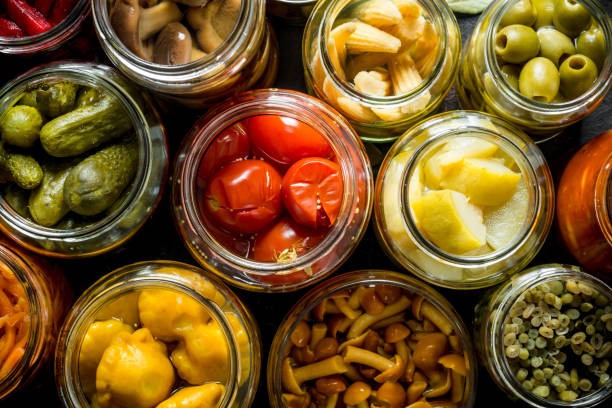
Before you dive into canning sweet potatoes for your holiday feasts, it's crucial to plan your canning process carefully. First, gather all the materials you will need. This includes clean, sterilized jars, canning lids, a water bath canner or pressure canner, and any additional supplies such as a jar lifter, funnel, and bubble remover. Having everything organized will make the canning process smoother and more enjoyable.
Next, choose the right sweet potatoes. Look for firm, unblemished potatoes without soft spots or signs of rot. The size of the sweet potatoes matters as well; uniform-sized pieces cook evenly, making your canning process more efficient. Once you have selected your sweet potatoes, prepare them by washing and peeling, then cutting them into uniform chunks or slices, depending on your preference.
Timing is crucial in canning. Plan to start your canning process early in the day, allowing enough time for cooking, packing, and processing jars. It’s a good idea to have a friend or family member help you in the kitchen. Not only will it make the process more fun, but teamwork will also speed things along. Make sure to carefully follow the recommended canning times based on your canning method, as underprocessing or overprocessing can affect the quality of your sweet potatoes.
Finally, don’t forget about labeling your jars. Once your sweet potatoes are canned and cooled, write the date and contents on each jar. This simple step will help you keep track of your delicious creations and ensure that you use them in a timely manner. Planning your canning process effectively will set you up for a successful and stress-free holiday season.
Selecting the Best Sweet Potatoes
Next, consider the color and size of the sweet potatoes. Look for vibrant orange or reddish-orange flesh; these varieties tend to be sweeter and more flavorful. As for size, medium-sized sweet potatoes are usually the best choice—as they are easier to work with and cook evenly. Avoid overly large potatoes, as they can be tough and woody inside.
It's also helpful to know the different types of sweet potatoes available. The two most common types are the orange-fleshed and the white-fleshed sweet potatoes. Orange-fleshed varieties, such as Beauregard and Covington, offer a sweeter taste and creamy texture, making them perfect for canning. White-fleshed varieties, like Japanese sweet potatoes, have a drier texture and milder flavor, which may not be ideal for your holiday recipes.
Finally, don't forget to check for freshness. If possible, buy from local farmers' markets or reputable grocery stores where sweet potatoes are known to be freshly harvested. Freshness plays a significant role in flavor and texture during the canning process, so always go for the best quality available to elevate your holiday dishes.
Step-by-Step Canning Instructions
Canning sweet potatoes is a wonderful way to preserve their delicious flavor for your holiday feasts. To ensure a successful canning experience, follow these step-by-step instructions closely. You'll need a pressure canner, jars, lids, and, of course, fresh sweet potatoes!
Step 1: Prepare Your Sweet Potatoes
Start by washing the sweet potatoes thoroughly to remove any dirt. Peel them and cut them into uniform pieces, approximately one inch in size. This not only helps them cook evenly but also makes for a more attractive presentation in the jar.
Step 2: Cook the Sweet Potatoes
In a large pot, add the sweet potato pieces and cover them with water. Bring the water to a boil, then lower the heat and let it simmer for about 10 minutes. You want the sweet potatoes to be partially cooked but not mushy. Drain the sweet potatoes and set them aside to cool slightly.
Step 3: Fill the Jars
Take your sterilized canning jars and fill them with the cooked sweet potatoes, leaving about an inch of headspace at the top. This space is essential for proper sealing. Next, you can add a little sugar, honey, or cinnamon for flavor, but this step is optional. Pour hot water over the sweet potatoes to cover them, leaving the same headspace.
Step 4: Seal and Process the Jars
Wipe the rims of the jars with a clean cloth to ensure a proper seal. Place the lids on top and screw on the metal rings until they are fingertip tight. Now it’s time to process the jars in your pressure canner. Follow the canner's instructions for time and pressure settings, which typically range from 75 to 90 minutes, depending on your altitude.
Storage Tips for Delicious Results
When it comes to canning sweet potatoes, proper storage is key to ensuring that your carefully preserved treasures maintain their delicious flavor and texture. Start by choosing the right jars for your sweet potatoes. Opt for wide-mouth canning jars that allow for easy packing and removal. Make sure to inspect the lids and seals for any imperfections, as a good seal is essential for long-term storage.
After you've canned your sweet potatoes, allow the jars to cool completely on a clean towel or rack. This cooling period is crucial as it helps create a vacuum seal. Once cool, check the seals by pressing down in the center of each lid. If it pops back, it's not sealed properly. Store any unsealed jars in the refrigerator and use them first. For those that are sealed, label them with the date and contents for easy identification later.
When it comes to storage location, keep your canned sweet potatoes in a cool, dark place, such as a pantry or basement. A consistent temperature of around 50-70°F is ideal. Avoid storing jars in direct sunlight or near heat sources, as these can affect the quality of your food. Additionally, make sure to keep them off the ground to prevent them from breaking or absorbing moisture.
Lastly, be mindful of how long you store your canned sweet potatoes. While they can last for up to a year when stored properly, it's best to use them within that time frame for the best taste. This will ensure that every spoonful of your sweet potato goodness tastes as wonderful as it did when you first canned it. Happy canning!