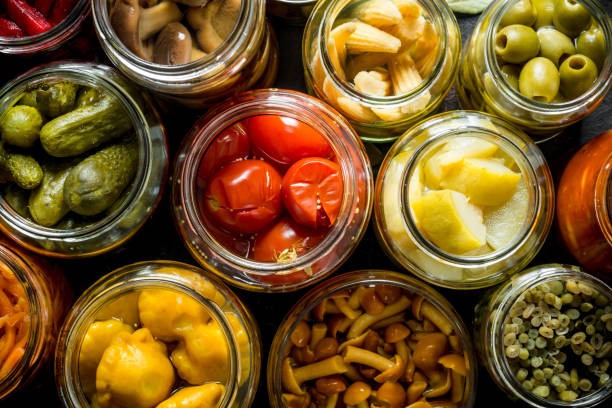
When it comes to canning beets, selecting the freshest beets is crucial for achieving the best flavor and color. Look for beets that are firm, smooth, and free of blemishes. Fresh beets should have a rich, deep color and be relatively heavy for their size. Avoid beets that are soft or shriveled, as these indicators suggest they may be past their prime.
Another important factor to consider is the size of the beets. For canning, it’s best to choose medium-sized beets, typically about 2 to 3 inches in diameter. Larger beets can be tough and woody, which can affect the texture of your canned product. If you come across beets in various sizes, opt for those that are uniform in size, as this will ensure they cook evenly and maintain their vibrant color.
Additionally, fresh beet greens can also be a sign of quality. If the greens look lively and green, it indicates that the beets were recently harvested. However, if the greens are wilted or yellowing, it may mean the beets are older. If you do purchase beets with greens, remember to remove them before canning, as the greens can cause the beets to lose color during the canning process.
Lastly, always wash your chosen beets thoroughly to remove any dirt or residues before you start the canning process. Scrubbing gently under running water will help keep the beets clean while preserving their beautiful skin. By taking the time to choose and prepare the freshest beets, you’ll be on your way to enjoying delicious home-canned beets that burst with flavor and color.
Preparing Beets for the Canning Process
Next, cut off the tops and roots of the beets, but remember to leave about an inch of the stems intact. This helps prevent the beets from bleeding too much color during cooking. After trimming, place the beets in a large pot filled with water, bringing it to a boil. Boil the beets for about 30 to 45 minutes, or until they’re tender enough to pierce easily with a fork. Cooking times may vary depending on the size of the beets, so it’s good to check their doneness periodically!
Once the beets are cooked, remove them from the pot and let them cool slightly. This is where the magic happens! The skins should easily slip off when you rub them with your fingers. If you encounter any stubborn spots, you can use a vegetable peeler. After peeling, cut the beets into your desired shapes, whether that’s slices, cubes, or wedges. This step not only makes them visually appealing in the jar but also allows for better flavor absorption during the canning process.
Now you’re ready to pack the beets into jars! Ensure that your canning jars and lids are clean and properly sterilized. Fill the jars with the prepared beets, leaving about an inch of headspace at the top. This space is crucial as it allows for expansion during the canning process. Once your jars are filled, you can add a brine if desired, which enhances the flavor. Follow your canning guidelines carefully to achieve the best results!
Canning Techniques for Perfect Beets
Canning beets is a fantastic way to preserve their vibrant color and earthy flavor. To start, you will need fresh beets, canning jars, lids, and a pressure canner or water bath canner. The first step is to prepare the beets. Gently scrub them under running water to remove any dirt. Avoid peeling them before cooking, as the skin helps to maintain their rich color and flavor during the canning process.
Once cleaned, place the beets in a large pot, cover them with water, and bring to a boil. Cook the beets until they are tender, which usually takes about 30 to 45 minutes, depending on their size. After boiling, allow the beets to cool slightly, and then peel them while they are still warm. You can easily use your fingers or a paper towel to rub off the skins. Once peeled, cut the beets into uniform pieces, whether in slices, cubes, or quarters, to ensure even cooking and packing.
Now it’s time to prepare your canning jars. Sterilize the jars and lids by placing them in boiling water or running them through a hot cycle in the dishwasher. Fill the jars with your prepared beets, leaving about an inch of headspace at the top. For extra flavor, you can add a little salt and spices, such as dill or bay leaves, before sealing the jars.
After filling the jars, it's essential to process them properly. If you’re using a pressure canner, set it to the required pressure and process for about 30 minutes for quarts or 25 minutes for pints. If using a water bath canner, process the jars for 30 to 35 minutes while ensuring they remain submerged in boiling water. Once the processing time is complete, remove the jars and let them cool on a clean towel or cooling rack.
As the jars cool, you’ll hear the satisfying pop of the lids sealing. This sound is music to any canner’s ears! After 24 hours, check the seals to make sure they are secure. Properly canned beets can last up to a year on your pantry shelf, ready to add their delicious taste and stunning color to your meals.
Storing Your Canned Beets Safely
Once you've completed the canning process and have beautifully jarred beets, it's essential to store them safely to preserve their vibrant color and delicious flavor. Proper storage helps ensure that your canned beets remain safe to eat and maintain their quality over time.
To start, make sure your jars are sealed correctly. A well-sealed lid will create a vacuum that keeps bacteria out. After cooling, check each jar by pressing down in the center of the lid. If it pops back, the seal isn’t tight, and you should either reprocess the jar or refrigerate the beets and consume them soon.
Store your canned beets in a cool, dark place, such as a pantry or a cellar. Ideal temperatures range between 50°F and 70°F. Avoid areas with extreme temperature fluctuations, like near ovens or windows, and ensure that your storage area is dry to prevent any moisture from seeping into the jars.
Finally, label your jars with the date of canning. This will help you keep track of their shelf life, which is generally about a year. Remember, while canned goods may last longer, their quality can degrade over time. Be sure to rotate your stock by using older jars first, and enjoy the taste of fresh, vibrant beets throughout the year!