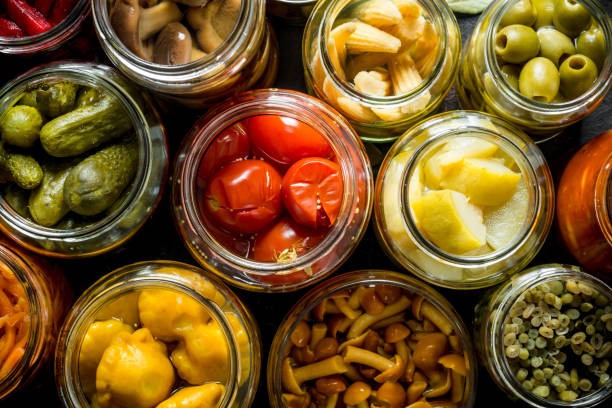
Looking to add more fermented foods to your diet? Why not start with a simple and delicious sauerkraut recipe! Sauerkraut is a traditional fermented cabbage dish that is not only packed with probiotics but also adds a tangy kick to any meal. With just a few ingredients and a bit of patience, you can make your own batch of sauerkraut at home.
To make sauerkraut, you will need a head of cabbage, salt, and a large glass jar. Start by finely shredding the cabbage and placing it in a large mixing bowl. Sprinkle salt over the cabbage and massage it in with your hands until the cabbage begins to soften and release its juices. Transfer the cabbage to the glass jar, packing it down tightly to remove any air bubbles.
Make sure the cabbage is submerged in its own juices, as this will prevent mold from forming. Place a weight on top of the cabbage to keep it submerged, then cover the jar with a clean cloth or paper towel secured with a rubber band. Let the sauerkraut ferment at room temperature for at least one week, then store it in the refrigerator.
Tangy Kimchi Instructions
Kimchi is a traditional Korean fermented side dish that is packed full of flavor and health benefits. Here's how to make your own tangy kimchi at home:
Ingredients:
Instructions:
Benefits of Fermented Foods
Fermented foods have been gaining popularity in recent years due to their many health benefits. One of the main benefits of consuming fermented foods is their positive impact on gut health. Fermented foods are rich in probiotics, which are beneficial bacteria that help maintain a healthy balance of gut flora. This can lead to improved digestion, better nutrient absorption, and a stronger immune system.
In addition to promoting gut health, fermented foods also provide a natural source of vitamins and minerals. During the fermentation process, certain nutrients become more bioavailable, making it easier for our bodies to absorb them. For example, fermented cabbage, as found in sauerkraut, is high in vitamin C, which is essential for a healthy immune system and glowing skin. Similarly, kimchi, a spicy fermented vegetable dish, is rich in vitamins A and K, as well as fiber, which can aid in digestion and promote a feeling of fullness.
Another benefit of incorporating fermented foods into your diet is their ability to support mental health. Emerging research has suggested that the gut-brain connection, known as the gut-brain axis, plays a significant role in mental well-being. By consuming fermented foods that support gut health, you may also experience improvements in mood, cognitive function, and stress management. So, the next time you're looking for a healthy and delicious addition to your meals, consider trying out some homemade sauerkraut or kimchi!
Try These DIY Fermented Recipes
If you're looking to add more probiotics to your diet, try making your own fermented foods at home! Not only are they delicious, but they also have numerous health benefits. Here are two easy recipes for sauerkraut and kimchi that you can try:
Sauerkraut: To make sauerkraut, all you need is cabbage, salt, and time. Simply shred the cabbage, sprinkle it with salt, and massage it until it releases its natural juices. Pack the cabbage into a jar, making sure to press it down so that the liquid covers it completely. Let it ferment at room temperature for 1-2 weeks, tasting it along the way to see if it's done to your liking.
Kimchi: Kimchi is a Korean fermented dish that is full of flavor and spice. To make kimchi, you'll need cabbage, radishes, carrots, garlic, ginger, red pepper flakes, and fish sauce. Mix all the ingredients together in a large bowl, then pack them into a jar. Let the kimchi ferment at room temperature for 3-5 days, tasting it to see if it's ready. Once it's done, store it in the fridge and enjoy it as a side dish or topping.
These DIY fermented recipes are a great way to introduce more probiotics into your diet and experiment with new flavors. Give them a try and see how easy it is to make your own fermented foods at home!