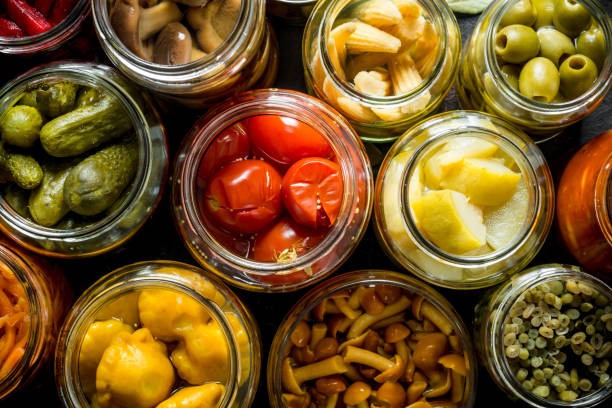
Preserving persimmons offers a delightful way to enjoy this unique fruit year-round. One of the main benefits is the ability to capture their distinct flavor. Fresh persimmons can be sweet, rich, and slightly spicy, and when preserved, this flavor intensifies, making for a delicious treat whether added to desserts, snacks, or even savory dishes.
Another significant advantage of preserving persimmons is their versatility. Dried persimmons can be used in a variety of recipes, from breakfast granola to gourmet salads. You can even make persimmon jam or chutney to pair with meats and cheeses. This flexibility allows you to get creative in the kitchen, adding a touch of sweetness to any dish.
Preserving persimmons is also a great way to reduce food waste. When the fruit is in season, it often comes in abundance, and not all of it can be eaten fresh. By preserving them, you can ensure that none of this delicious fruit goes to waste. It's a sustainable way to enjoy the bounty of nature while supporting a zero-waste lifestyle.
Lastly, preserved persimmons can be a fantastic source of nutrients. Rich in vitamins A and C, along with dietary fiber, persimmons provide health benefits that continue even after preservation. By incorporating preserved persimmons into your diet, you can enjoy their nutritional advantages while savoring the unique flavors they offer.
Best Methods for Persimmon Preservation
When it comes to preserving persimmons, there are several effective methods to ensure you can enjoy their unique flavor long after the harvest season. Whether you prefer drying, freezing, or canning, each method has its own benefits that cater to different usage scenarios.
One of the most popular ways to preserve persimmons is by drying them. Dehydrating persimmons concentrates their sweetness, making them a delicious snack on their own or a great addition to trail mixes. To dry persimmons, start by slicing them into uniform pieces. You can use a food dehydrator, an oven set to a low temperature, or even air-dry them in a warm, dry place. Once they are completely dried and leathery, store them in airtight containers to maintain their flavor and texture.
If you're looking to keep persimmons for months, freezing is a fantastic option. Freezing helps to retain the fruit's nutrients and flavor. Begin by washing and peeling the persimmons, then slice them as desired. Place the slices in a single layer on a baking sheet to prevent them from sticking together, and freeze them for a few hours. After they are frozen solid, transfer them to freezer bags or airtight containers. This way, you can easily grab a handful for smoothies or baking later on.
Canning is another excellent preservation method if you're interested in creating jams or preserves. Start by washing and slicing the persimmons, then cook them down with sugar and lemon juice to create a thick, flavorful mixture. Pour the hot mixture into sterilized jars, leaving some space at the top, and seal them tightly. This method not only extends the shelf life of persimmons but also makes for delightful homemade gifts.
Delicious Recipes with Preserved Persimmons
Preserved persimmons offer a unique and delightful flavor that can elevate a variety of dishes. Whether you're an experienced chef or a beginner in the kitchen, trying out recipes with these sweet and tangy treats can be a fun experience. Here are a few delicious recipes that highlight the wonderful taste of preserved persimmons.
Persimmon Pancakes: Start your day with a stack of fluffy pancakes infused with the delightful flavor of preserved persimmons. Simply mash a few pieces of preserved persimmons and fold them into your pancake batter. Cook the pancakes on a hot griddle until golden brown and serve with a drizzle of maple syrup and a sprinkle of cinnamon. You'll love the warm, sweet taste every morning!
Persimmon Chutney: For a savory treat, consider making a vibrant persimmon chutney. Dice preserved persimmons and mix them with chopped onions, ginger, and a splash of vinegar. Simmer the mixture until it thickens, then let it cool. This chutney makes a perfect accompaniment for grilled meats, cheese platters, or even as a topping for crackers at your next gathering.
Persimmon Salad: Add a unique twist to your salad by including chunks of preserved persimmons. Toss mixed greens with sliced almonds, feta cheese, and the preserved fruit. Drizzle with a light vinaigrette to enhance the flavors. The sweetness of the persimmons will balance beautifully with the tangy cheese and crunchy nuts, creating a refreshing dish suitable for any occasion.
Tips for Storing Persimmons Properly
Storing persimmons properly is key to enjoying their unique flavor and texture. The first step in the process is understanding the different types of persimmons. Fuyu persimmons can be eaten while still firm, while Hachiya persimmons need to become very soft before they reach their peak sweetness. To ensure you get the most out of this delicious fruit, start by selecting ripe, unblemished persimmons from your local market.
Once you have your fresh persimmons, it's important to store them correctly. If you plan to eat them within a few days, simply keep them at room temperature, away from direct sunlight. For longer storage, place them in the refrigerator. Fuyu persimmons can last up to three weeks when chilled, while Hachiya persimmons should be left to ripen at room temperature until they're mushy, and then can also be refrigerated for up to a week.
If you want to extend their shelf life even further, consider freezing your persimmons. To do this, wash them thoroughly, slice them into wedges, and remove any seeds. Spread the slices out on a baking sheet and freeze them until solid. Once frozen, transfer the persimmons to an airtight container or freezer bag. This method preserves their flavor and texture, making them perfect for smoothies, baking, or snacking later!