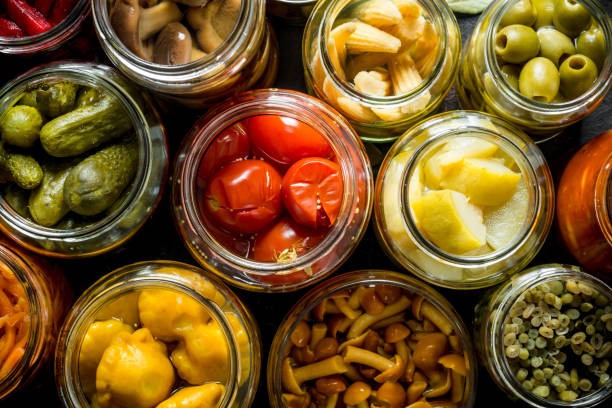
First, choose tomatoes that are at their peak ripeness. This will ensure that your canned tomatoes are full of flavor and have the best texture. Look for tomatoes that are deep red in color and feel firm to the touch. Avoid tomatoes that are mushy or have blemishes, as these will not hold up well during the canning process.
When selecting tomatoes for canning, it's also important to consider the variety. Plum tomatoes, such as Roma tomatoes, are ideal for canning because they have a lower water content and thicker flesh, which means they will hold their shape better in the canning process. Other good varieties for canning include San Marzano and Amish Paste tomatoes.
Finally, be sure to choose tomatoes that are free of any chemical residue. If possible, opt for organic tomatoes or tomatoes from a trusted source that practices sustainable farming methods. By selecting the best tomatoes for canning, you can ensure that your canned tomatoes will be of the highest quality and taste delicious in all of your favorite recipes.
Essential Supplies for Successful Canning
When it comes to perfecting your tomato canning techniques, having the right supplies on hand is key. Without the proper equipment, you may find yourself struggling to achieve the results you desire. Here are some essential supplies you'll need to ensure successful tomato canning:
By having these essential supplies on hand, you'll be well-equipped to perfect your tomato canning techniques and enjoy delicious homemade canned tomatoes all year round.
Step-by-Step Guide to Canning Tomatoes
1. Start by selecting the ripest and juiciest tomatoes you can find. Wash them thoroughly and remove any blemishes or bruises. It's important to work with high-quality tomatoes to ensure the best flavor in your canned goods.
2. Next, you'll need to peel the tomatoes. To do this, bring a large pot of water to a boil and fill a separate bowl with ice water. Score the bottom of each tomato with a small "X" and place them in the boiling water for about 30 seconds. Remove the tomatoes and immediately place them in the ice water. The skins should easily peel off at this point.
3. Now it's time to can the tomatoes. Sterilize your canning jars and lids in boiling water. Fill each jar with the peeled tomatoes, leaving about half an inch of headspace at the top. Add a pinch of salt to each jar for flavor.
4. Finally, process the jars in a water bath canner. Place the jars in the canner, making sure they are fully submerged in water. Bring the water to a gentle boil and process for about 40-45 minutes. Carefully remove the jars from the canner and allow them to cool completely before storing in a cool, dark place.
Storing Your Canned Tomatoes for Longevity
First, make sure that your canned tomatoes are completely cool before storing them. It's important to allow them to come to room temperature before placing them in a cool, dark place. This will help to prevent spoilage and maintain the quality of the tomatoes for longer.
Next, it's important to store your canned tomatoes in a cool, dark place. Avoid storing them in direct sunlight or in a place where they will be exposed to heat or fluctuating temperatures. A pantry or cupboard is an ideal location for storing canned tomatoes for longevity.
Lastly, be sure to label your canned tomatoes with the date that they were canned. This will help you keep track of how long they have been stored and ensure that you use the oldest cans first. By following these tips for storing your canned tomatoes, you can enjoy delicious, high-quality tomatoes for many months to come.