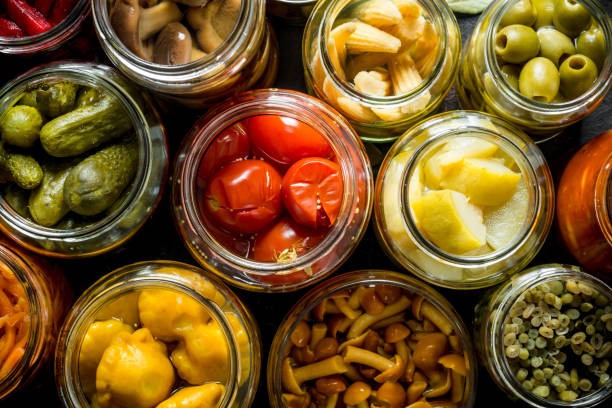
Canning is a great way to preserve food for long-term storage, making it an essential skill for emergency preparedness. Whether you're facing a natural disaster or simply want to be more self-sufficient, having a well-stocked pantry can provide you with peace of mind and security. Canning allows you to store fruits, vegetables, and even meats in a way that maintains their flavor and nutrients for an extended period of time.
To get started with canning, you'll need some basic equipment. This includes a pressure canner or water bath canner, canning jars with lids and bands, a jar lifter, and a canning funnel. It's important to follow proper canning techniques to ensure that your food is safely preserved. This includes using the correct processing time and pressure for the types of food you're canning, as well as ensuring that your jars are properly sealed.
One of the simplest ways to start canning is with fruits like berries or peaches. Simply wash and prepare your fruit, then pack it into the jars and cover with hot syrup or water. Process the jars in a water bath canner according to the recipe's instructions, then allow them to cool and check that they're properly sealed before storing them in your pantry. As you gain confidence in your canning skills, you can experiment with canning other foods like tomatoes, pickles, and even meats. With a little practice, you'll be well on your way to building a well-stocked emergency pantry.
Essential Canning Supplies
Canning is a great way to preserve food for long periods of time, making it an essential skill for emergency preparedness. To get started with canning, you will need a few key supplies. Here are some essential canning supplies to have on hand:
These are just a few of the essential canning supplies you will need to start preserving food for emergency preparedness. With these supplies on hand, you can confidently start canning and building up your emergency pantry for any situation.
Safety Tips for Canning
When it comes to canning food for your emergency pantry, safety is of utmost importance. Here are some key tips to keep in mind to ensure that your canned goods are safe to eat:
First and foremost, always follow a trusted and tested canning recipe. Don't take shortcuts or try to modify recipes on your own. Improperly canned food can lead to botulism, a serious and potentially deadly form of food poisoning. Stick to reputable sources like the Ball Canning website or the USDA's National Center for Home Food Preservation.
Another important tip is to properly sanitize your equipment before starting the canning process. This includes jars, lids, rings, and any utensils you will be using. Bacteria can easily contaminate your food if proper sanitation procedures are not followed. A quick run through the dishwasher or a soak in hot, soapy water should do the trick.
Lastly, always check your jars for signs of spoilage before consuming the contents. If you notice any bulging lids, leaks, off-putting odors, or visible mold, it's best to err on the side of caution and throw the food out. It's better to be safe than sorry when it comes to home-canned goods.
Long-term Food Storage ideas
Stocking up your emergency pantry with canned goods is a smart way to prepare for unexpected situations. Canned foods have a long shelf life and can provide you with essential nutrients when fresh foods are not available. Here are some long-term food storage ideas to help you build a well-stocked and well-prepared pantry:
By incorporating these long-term food storage ideas into your emergency pantry planning, you can ensure that you have a variety of nutritious and delicious foods on hand no matter what comes your way.