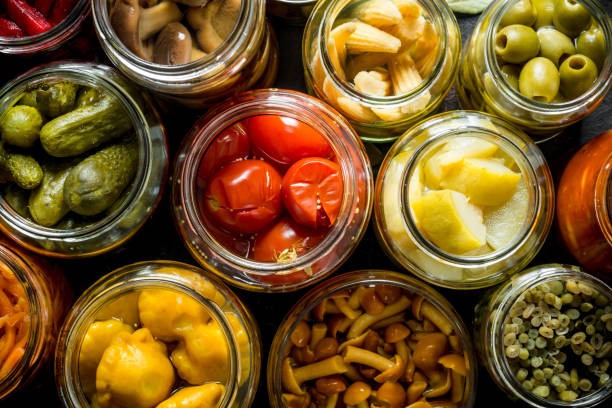
Fermented vegetables are not only delicious additions to any meal, but they also offer a wide range of health benefits. When vegetables are fermented, they undergo a process that breaks down sugars and starches, making them easier to digest. This can help improve overall gut health and aid in better digestion.
Additionally, fermented vegetables are packed with probiotics, which are beneficial bacteria that promote a healthy gut flora. By consuming foods rich in probiotics, such as sauerkraut and kimchi, you can help maintain a balanced and thriving gut microbiome. This can lead to improved immune function, better nutrient absorption, and even a boost in mood and mental health.
Fermented vegetables are also rich in vitamins and minerals. Through the fermentation process, vegetables can actually become more nutritious than their raw counterparts. For example, cabbage used to make sauerkraut is a good source of vitamin C, which is essential for a strong immune system and healthy skin. By fermenting cabbage into sauerkraut, you can increase the bioavailability of this important nutrient.
In addition to being good for your gut and overall health, fermented vegetables can also add a burst of flavor to your meals. Sauerkraut and kimchi can be used as condiments, added to sandwiches or salads, or even eaten on their own as a delicious and tangy snack. Experimenting with different recipes and flavors of fermented vegetables can help diversify your diet and open up a whole new world of culinary possibilities.
Homemade Sauerkraut Recipe
If you’ve never tasted homemade sauerkraut, you’re in for a treat! This fermented cabbage dish is tangy, crunchy, and packed with probiotics that are great for gut health. Making your own sauerkraut at home is easier than you think, and the results are so much more flavorful than the store-bought kind.
Here’s a simple homemade sauerkraut recipe to get you started:
Ingredients:
Instructions:
Spicy Kimchi Recipe
Ingredients:
Instructions:
Tips for Successful Fermentation
1. Use High-Quality Ingredients
When making fermented vegetables like sauerkraut and kimchi, it's important to start with fresh, high-quality ingredients. Make sure your vegetables are fresh and free from any signs of rot or mold. Choosing organic produce can ensure that you're not introducing any unwanted chemicals into the fermentation process.
2. Keep Everything Clean
Before you begin the fermentation process, make sure all of your equipment, including jars, lids, and utensils, are clean and sterilized. Any bacteria present on your equipment can interfere with the fermentation process or cause spoilage. Wash your hands thoroughly with soap and water before handling the vegetables to prevent any contamination.
3. Monitor the Fermentation Process
During the fermentation process, it's important to monitor the vegetables regularly to ensure that everything is progressing as it should. Check for any signs of mold, discoloration, or off odors, which can indicate that the fermentation has gone wrong. Taste the vegetables periodically to gauge their level of fermentation and adjust the salt content if necessary.
4. Store Properly
Once your sauerkraut or kimchi has reached the desired level of fermentation, it's important to store it properly to preserve its flavor and texture. Transfer the fermented vegetables to airtight containers and store them in the refrigerator to slow down the fermentation process. Enjoy your homemade fermented vegetables within a few weeks for the best flavor and texture.