Who doesn't love the classic taste of homemade strawberry jam? This timeless recipe is perfect for canning and preserving the delicious flavor of fresh strawberries to enjoy all year round. With just a few simple ingredients and a little bit of time, you can create the perfect batch of strawberry jam to share with friends and family or keep all to yourself.
To start, gather 2 pounds of ripe strawberries, 4 cups of sugar, and 1/4 cup of lemon juice. Wash and hull the strawberries before crushing them in a large pot. Add the sugar and lemon juice to the strawberries and bring the mixture to a rolling boil. Cook for about 10-15 minutes, stirring frequently, until the jam thickens and reaches the desired consistency. To test if the jam is ready, place a small amount on a chilled plate - if it wrinkles when pushed with a finger, it's done.
Once the jam is ready, ladle it into sterilized jars, leaving a 1/4 inch headspace. Wipe the rims of the jars with a clean, damp cloth before sealing with lids and bands. Process the jars in a boiling water canner for 10 minutes. Allow the jars to cool before checking the seals and storing in a cool, dark place. Your homemade strawberry jam is now ready to enjoy on toast, muffins, or as a sweet topping for desserts!
Spicy Pickled Vegetables How-To
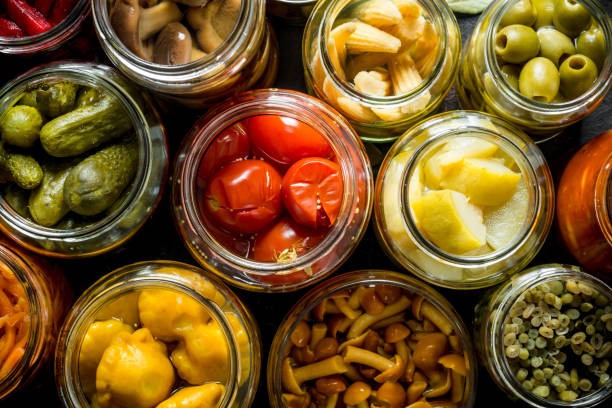
Looking to add some kick to your canning recipes? Try making your own spicy pickled vegetables! These flavorful veggies are perfect for adding a pop of heat to sandwiches, salads, and even cocktails. Follow this simple how-to guide to create your own spicy pickled vegetables at home.
Ingredients:
- Assorted vegetables (such as cucumbers, carrots, and bell peppers)
- Vinegar
- Water
- Sugar
- Salt
- Hot peppers (such as jalapeños or serranos)
- Garlic
- Spices (such as mustard seeds, coriander seeds, and black peppercorns)
Instructions:
- Prepare your vegetables by washing and chopping them into bite-sized pieces.
- In a large pot, combine equal parts vinegar and water, along with sugar and salt to taste. Bring the mixture to a boil, stirring until the sugar and salt are dissolved.
- Add hot peppers, garlic, and spices to the pot, adjusting the amount to suit your preferred level of spiciness.
- Fill sterilized jars with the chopped vegetables, then pour the hot vinegar mixture over the veggies, leaving a half-inch of headspace at the top of the jar.
- Secure the lids on the jars and process them in a boiling water canner for the recommended amount of time based on your altitude.
Once the jars have been processed and cooled, store them in a cool, dark place for at least two weeks to allow the flavors to develop. Enjoy your homemade spicy pickled vegetables as a zesty addition to your favorite dishes!
Tangy Peach Salsa Step-by-Step Guide
Are you looking for a delicious and tangy salsa recipe to use up those ripe peaches? Look no further! This tangy peach salsa is the perfect combination of sweet and savory flavors that will take your taste buds on a journey. Follow these simple steps to create your own batch of this flavorful salsa.
- Start by gathering all your ingredients: ripe peaches, red bell pepper, red onion, jalapeno pepper, cilantro, lime juice, and salt.
- Peel and chop the peaches, removing the pit. Dice the red bell pepper, red onion, and jalapeno pepper. Finely chop the cilantro.
- In a large bowl, combine all the chopped ingredients. Add in the lime juice and salt, then gently mix everything together until well combined.
- Taste the salsa and adjust the seasoning if needed. You can add more salt or lime juice to suit your preference.
- Transfer the salsa into sterilized jars, leaving some room at the top. Seal the jars tightly and process them in a boiling water bath for proper canning.
Once you've followed these steps, you'll have a batch of tangy peach salsa that's perfect for topping grilled meats, tacos, or just enjoying with some tortilla chips. Enjoy!
Tips for Preserving Tomatoes Like a Pro
If you want to preserve your tomatoes like a pro, follow these simple tips to ensure they stay fresh and flavorful all year long.
First, choose the ripest and firmest tomatoes for canning. Avoid overripe or soft tomatoes, as they can lead to spoilage during the canning process.
Next, make sure to properly sanitize your canning jars and lids before filling them with tomatoes. This will help prevent any bacteria from contaminating your preserved tomatoes.
Lastly, when canning your tomatoes, be sure to use the appropriate canning method for the type of tomatoes you're using - whether it be whole tomatoes, diced tomatoes, or tomato sauce. Following these tips will ensure your canned tomatoes turn out perfectly every time.